
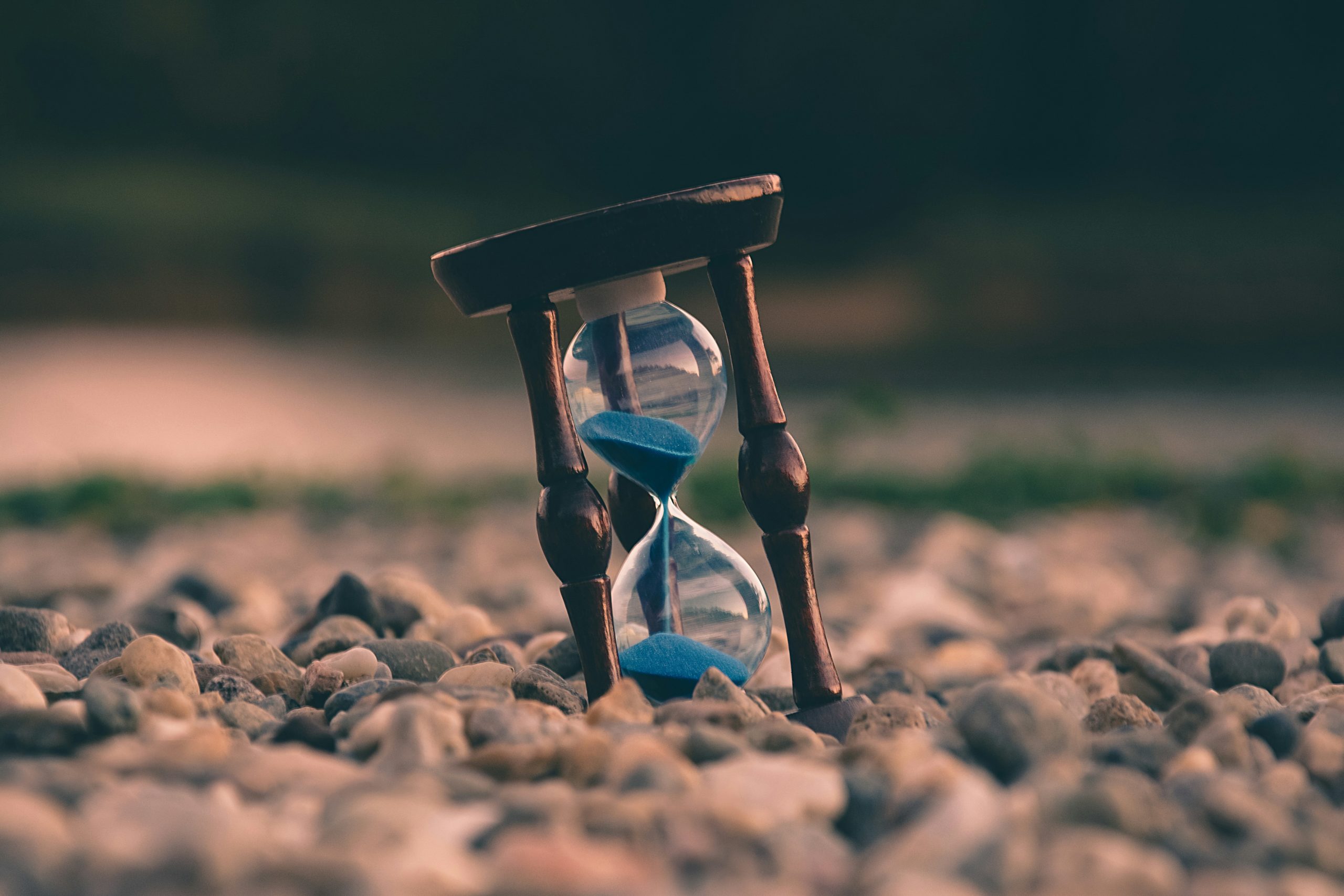

The topic was the one word – “Time”. As ever, it was interesting to see where the theme had taken members and what was chosen to share with the group. We learnt about a fascinating variety of aspects of “time” which is being shared with you below:-
Science of time and how it is a dimension related to space
We learnt that the Samarians created sixty minutes and the Babylonians 24 hours/day over 5000 years ago. Einstein’s theory of relativity was mentioned. This led onto how did ancient mariners manage time. Principally by logging sunsets and rises plus noting their position relative to the sun, moon and stars. We learnt about shadow and water clocks plus sun dials and sand timers. The next problem was how to measure longitude and latitude. This was difficult and a prize was offered to a person able to make the necessary calculations. We were told about eighteenth century long case clocks that only lost one second/month and how the pocket watch became the first portable version not affected by humidity in 1736. With the introduction of the railways, time needed to be standardised as collisions were happening. Railways used “London” time and Greenwich sent out signals of railway time through the electric telegraph using a system of Morse code dots and dashes.
The different understanding of the concept of time between the Punjabi and British culture.
The following were considered:- orientation, punctuality, social relationships, attitude at work, the different language and emotions used. For instance, in the UK punctuality is valued while in the Punjabi culture, the communication and relationship is more valued over promptness.
The interesting concept of how do we manage time when we are not in control of our own time?
The situations of Terry Waite and Nazanin Zaghari-Ratcliffe were particularly highlighted with their managing strategy.
The symptoms and causes of jet lag
Caused by rapid travel across across multiple time zones as well as coping mechanisms to lessen the severity of the symptoms.
Ragtime music.
This was popular in the early twentieth century and is synonymous with Scott Joplin who played piano and the banjo. This style of music influenced jazz as well as the composers Debussy and Stravinsky plus Sousa’s march music.
Film titles that used the mention of time.
The most well known were “Midnight Express” and “9 to 5”.
We ended on a more thoughtful note with the reading from Chapter 3 from Ecclesiastes –
“For everything there is a season, and a time for every matter under heaven”.