


I made a decision to join a small group of modern day pilgrims to walk the 6 miles from Peterborough Cathedral to the the 900 year old church of St Kyneburga in Castor. The village, once a Roman high status settlement lies West of Peterborough City centre and the route we took followed the meandering course of the River Nene.
I arrived at the Cathedral at 8:45am early for the 9:15am start. I crept into the back of the Nave until morning prayers were finished and spent the time amidst the hush looking upwards at the unique 13th century painted wooden ceiling.
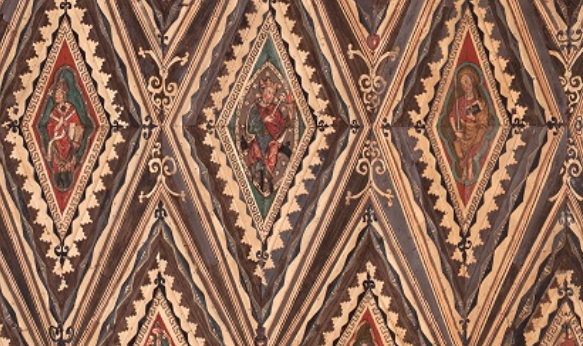
Prayers, Place and Blessing made a wonderful start to the pilgrimage, and as a regular walker (both solo and with groups of friends) I really embraced the premise of walking with a spiritual mindset during the walk so that I could reflect on my feelings afterwards.
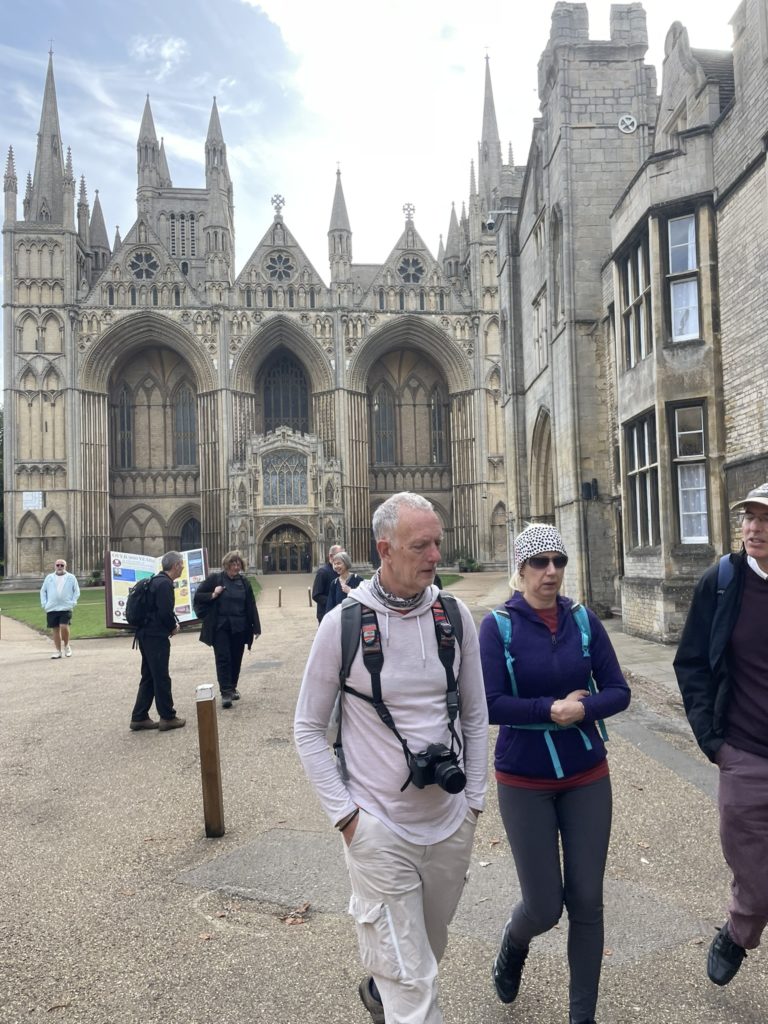
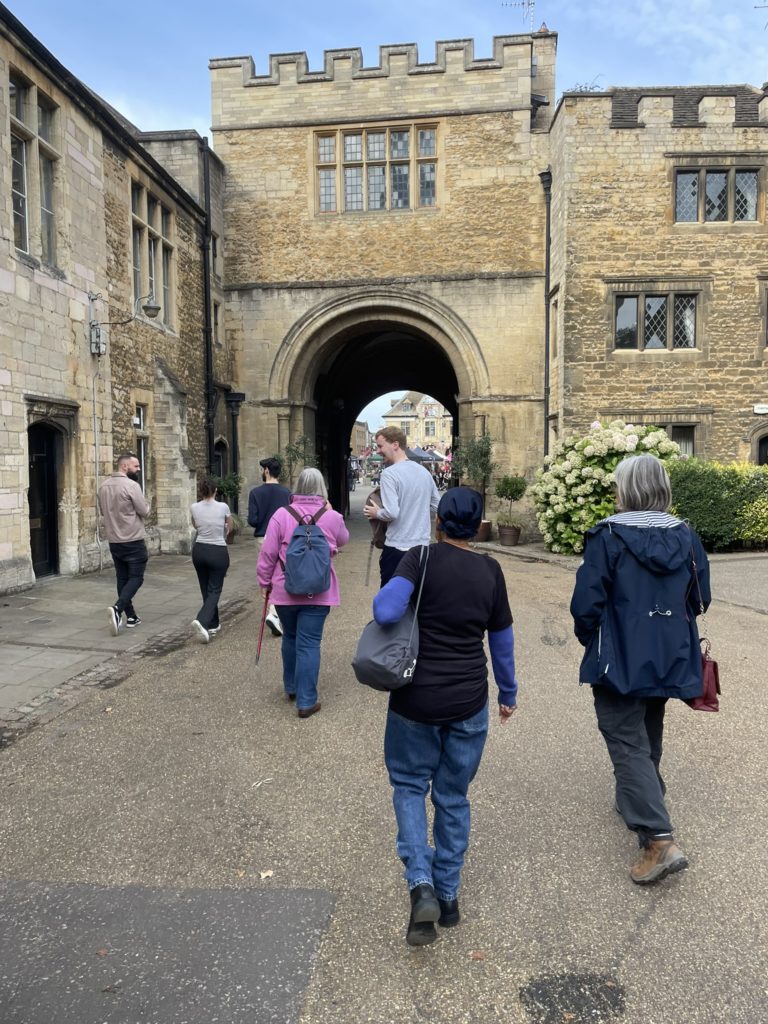
We departed after beautiful simple prayers from the West Door into bright sunshine, crossing the Cathedral Close into 21st century Peterborough now bustling with the Saturday market stalls. Within 5 minutes we descended steps behind Asda to the river Nene footpath heading west. Instantly the city was concealed from us and we were in a nature corridor : the broad, slow river to our left, mature trees opposite and head-high willowherb edging the footpath. We parted through the usual zooming dragonflies and insects near water in summer and birdsong accompanying our footsteps and voices as we began to get to know each other.

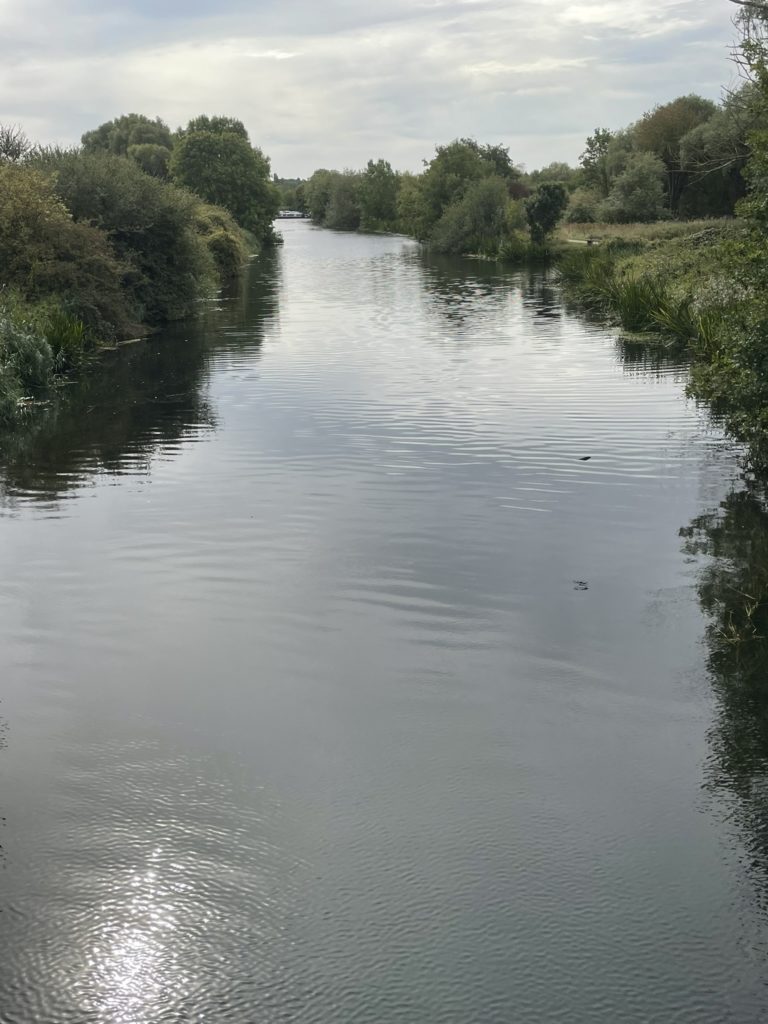
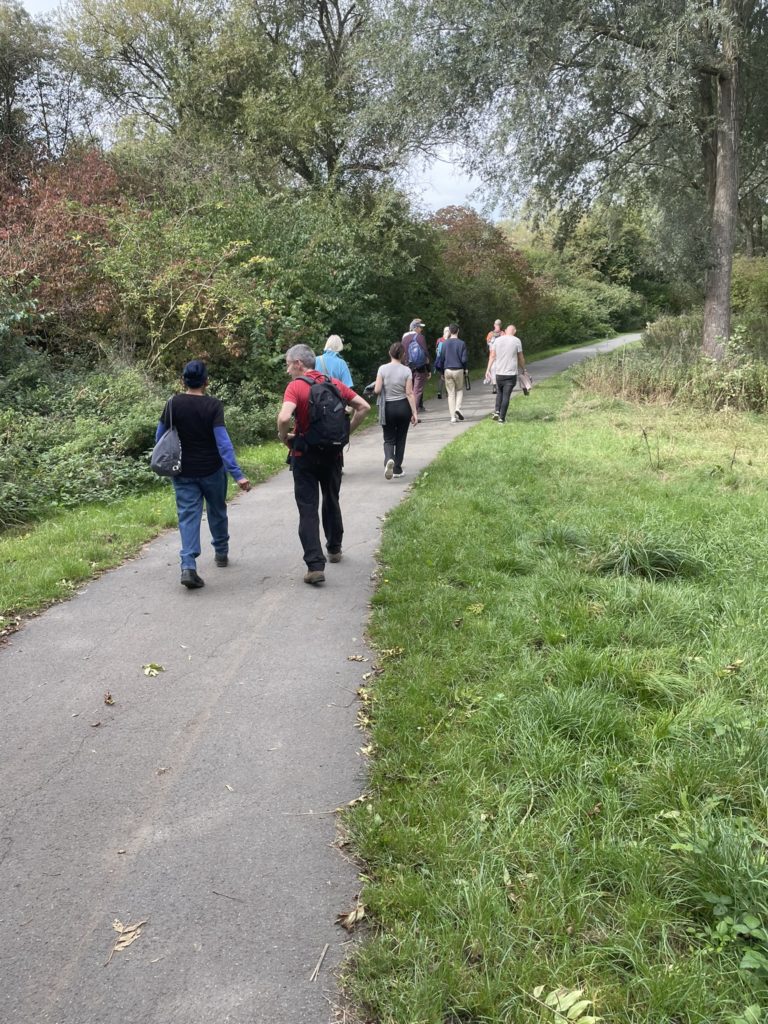
Talking to Lynne (a bell ringer and parishioner) on the way heightened my anticipation of reaching Castor (with its Roman heritage) and the (Norman) St Kyneburgha Church. Nothing however, could prepare me for how exceptional the church is in its elevated setting.
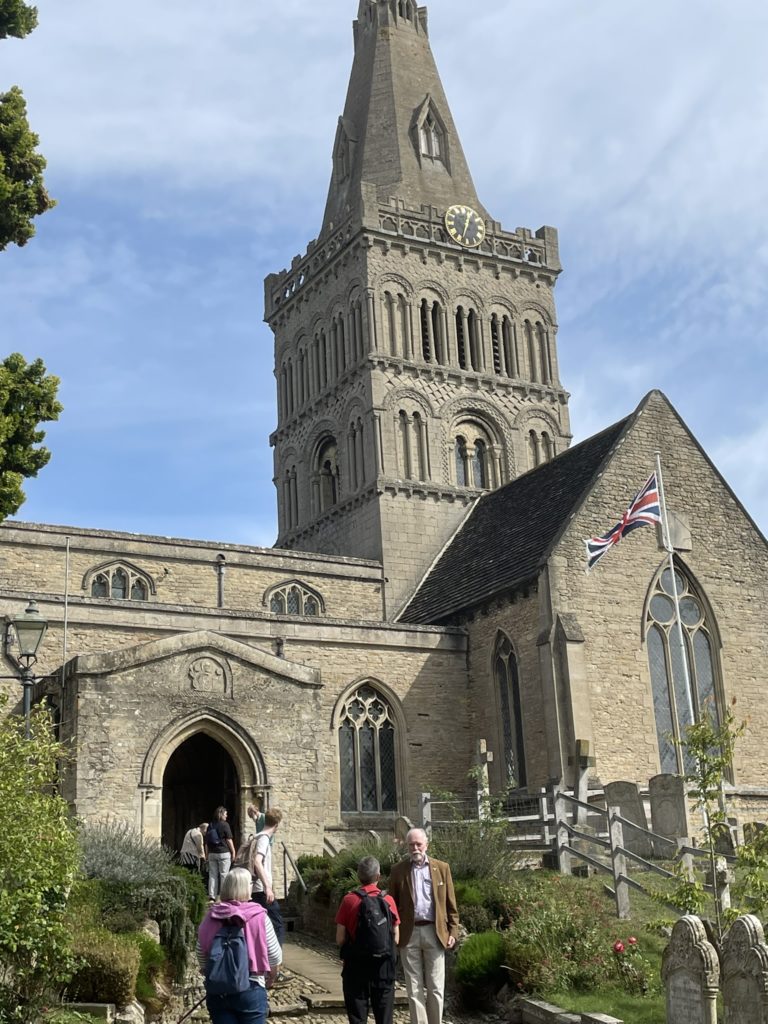
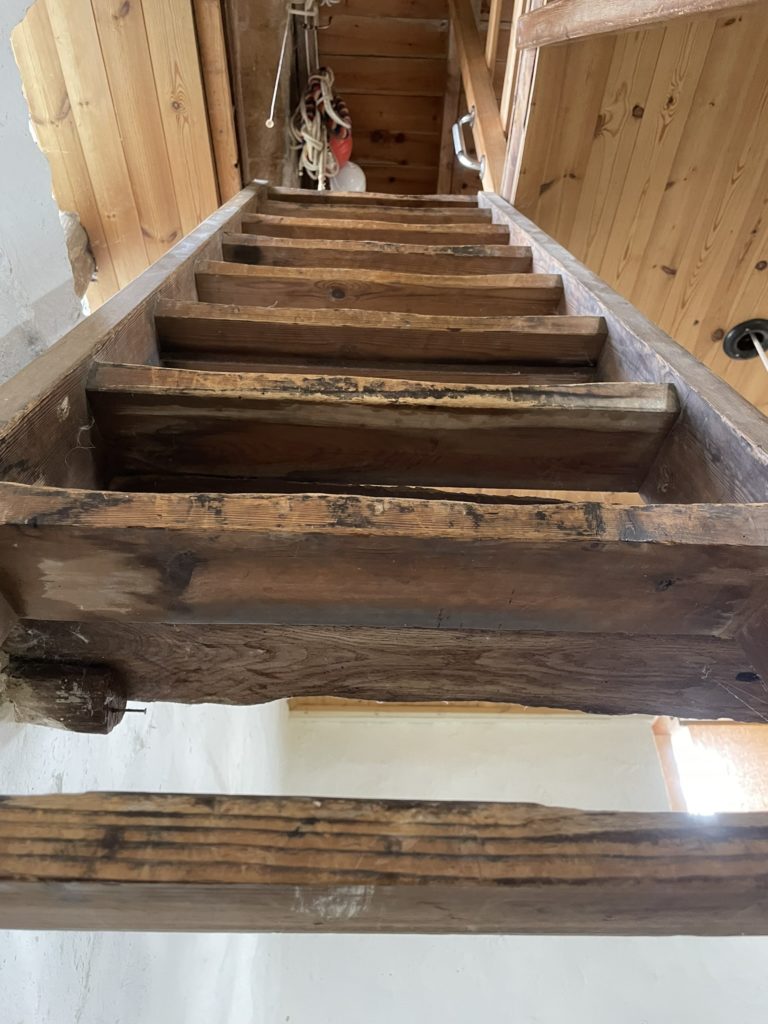
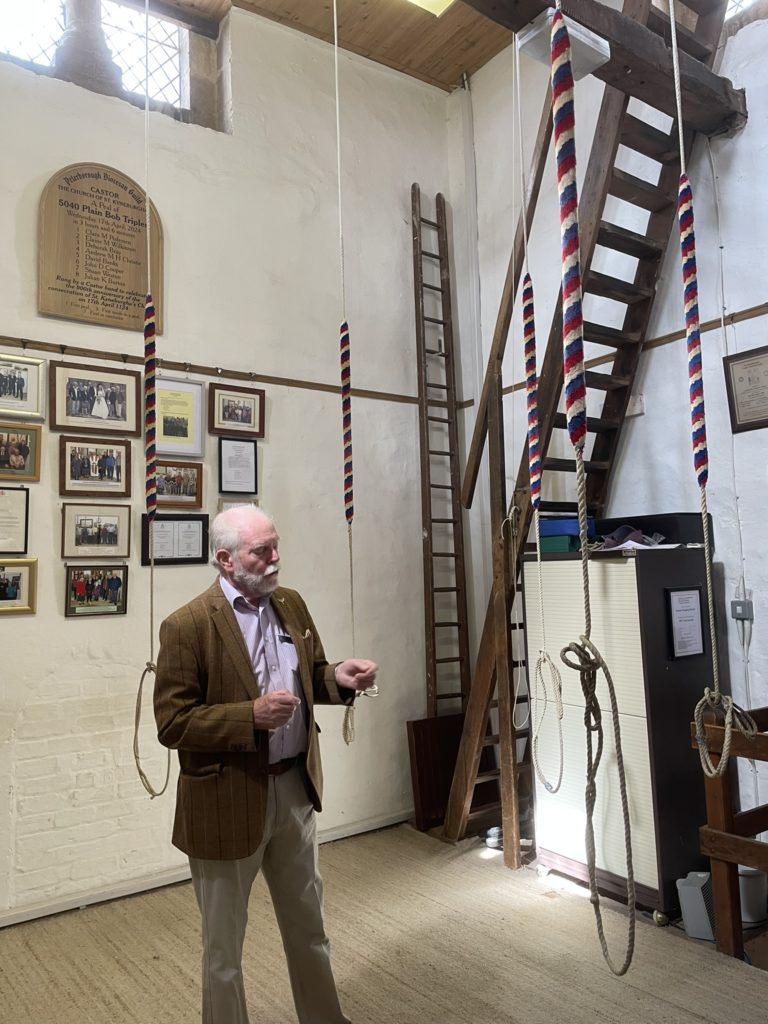
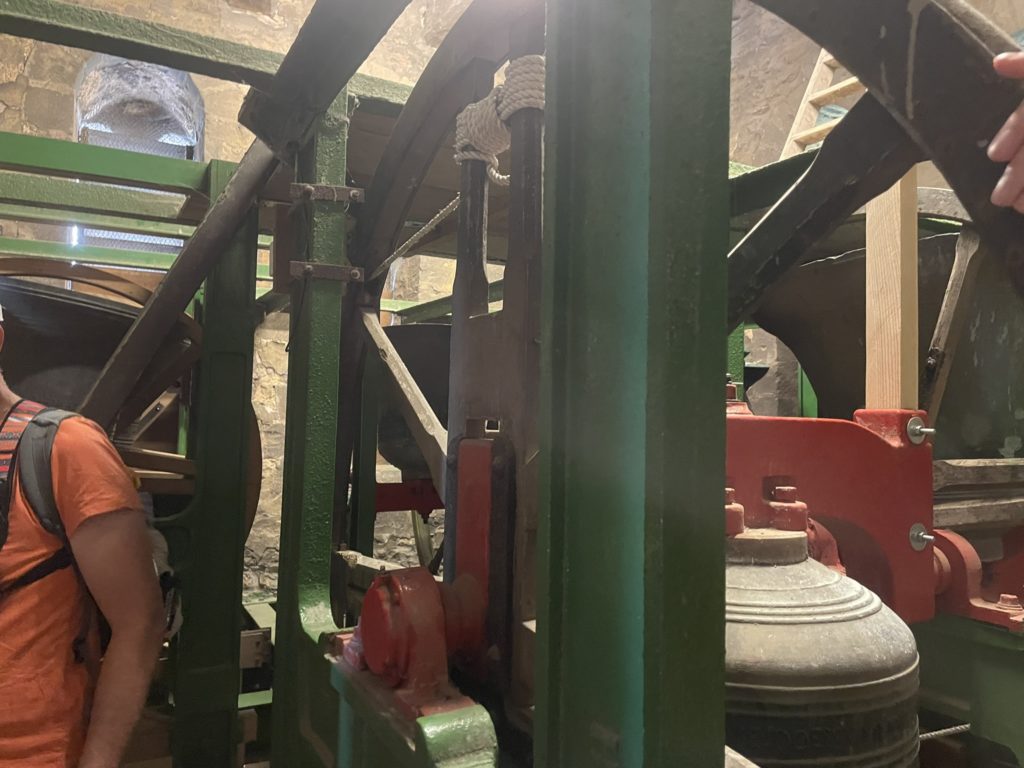
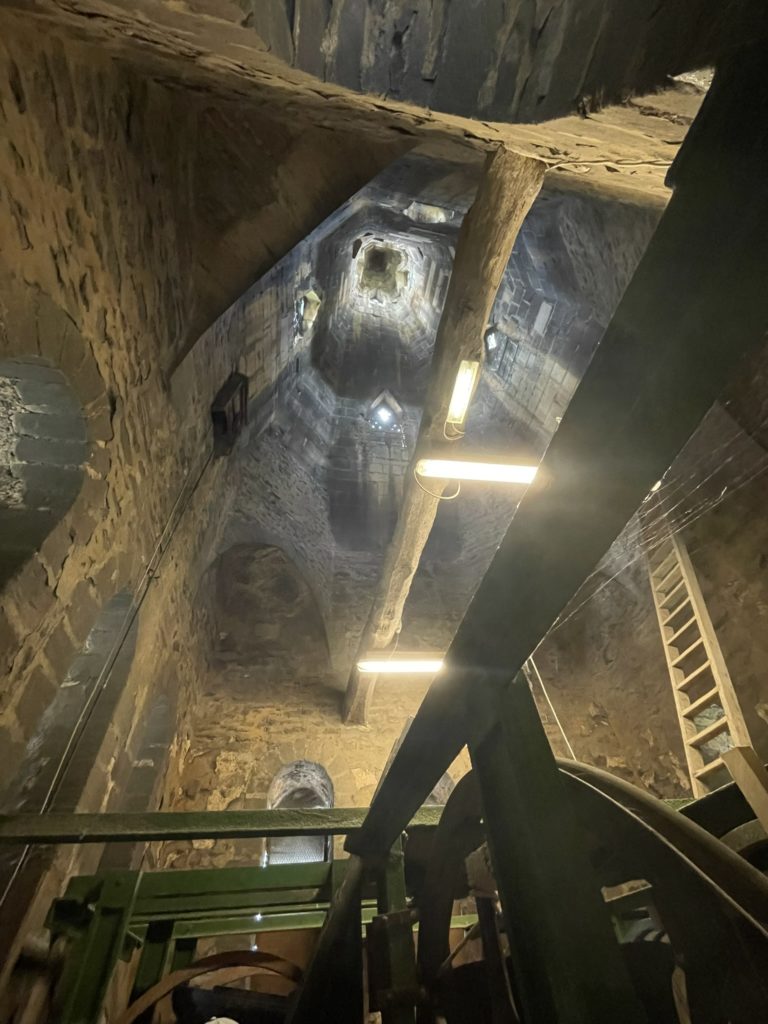
We were greeted by members of the church preservation trust and a visiting priest who held a short celebratory service for us in the church before we enjoyed refreshments in the hall. Although the pilgrimage had come to an end, we were reluctant to go our separate ways and the chance to climb up the tower into the bell chamber under the spire was irresistible. Many of us scrambled up after a very athletic elderly gentleman, ascending 4 flights of steps and rickety ladders. I felt a wonderful sense of adventure and camaraderie.
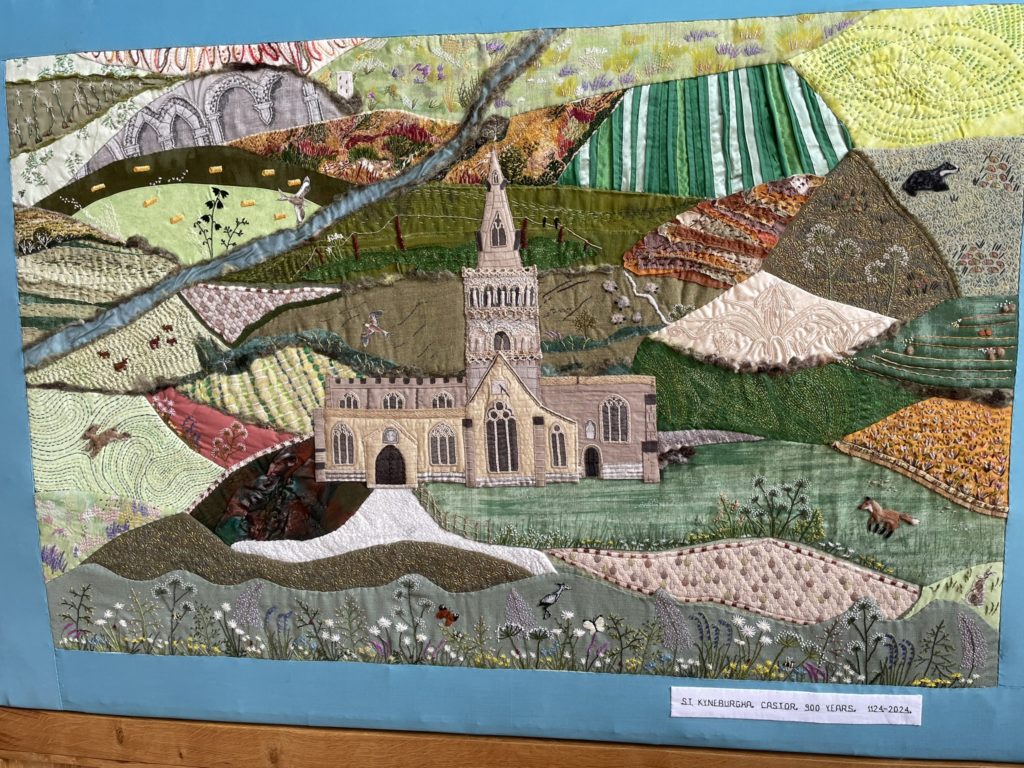
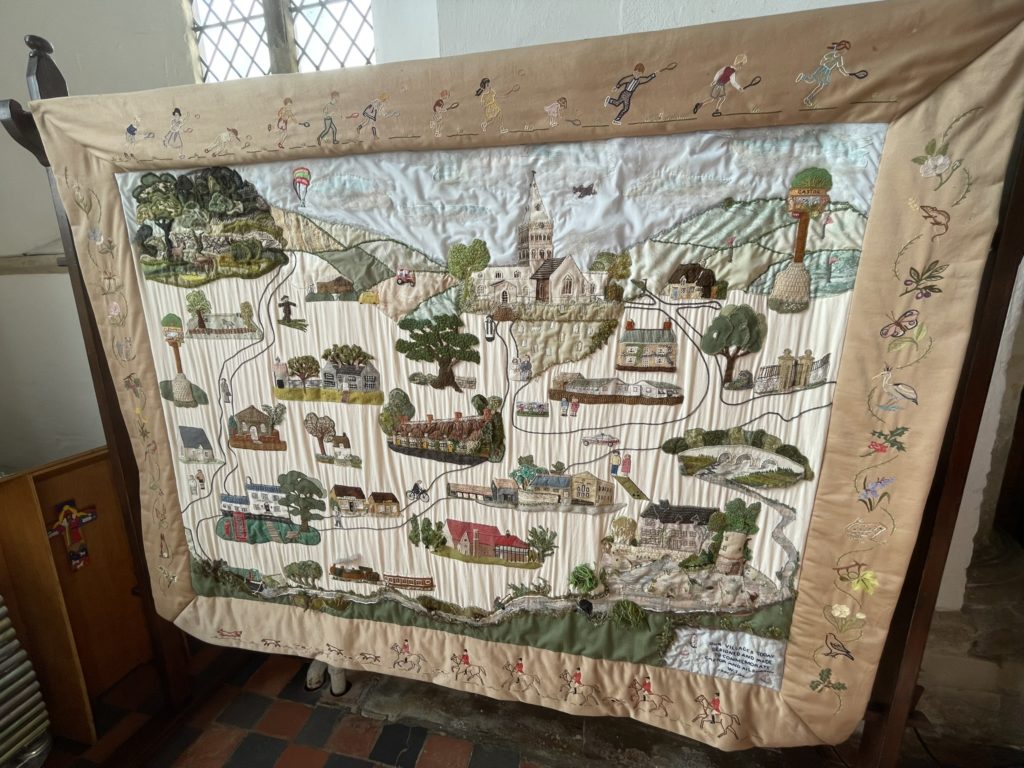
In 2024 the community came together to mark and celebrate the 900th anniversary of the building of this church – two early Anglo-Saxon churches having been sacked by the Danes. I was captivated by the very fine embroideries that had been made by the WI and were on display in the church South aisle.
CASTOR is a very idyllic village with beautiful houses and cottages and appears to have been continuously inhabited since Roman times. Archaeological investigations show it to once have supported a large Roman Praetorium. Meaning it once was the residence of a Roman Praetor (Commander) near the site of Roman Durobrivae (Water Newton). It was located close to two major Roman roads – Ermine Street and King Street.
It was built around 250AD and was on a grand scale. The structure was raised up on two great terraces. The building(s) covered an area of 290m by 130m and had at least 11 rooms with tessellated floors and mosaics, two bath-houses and several hypocausts.
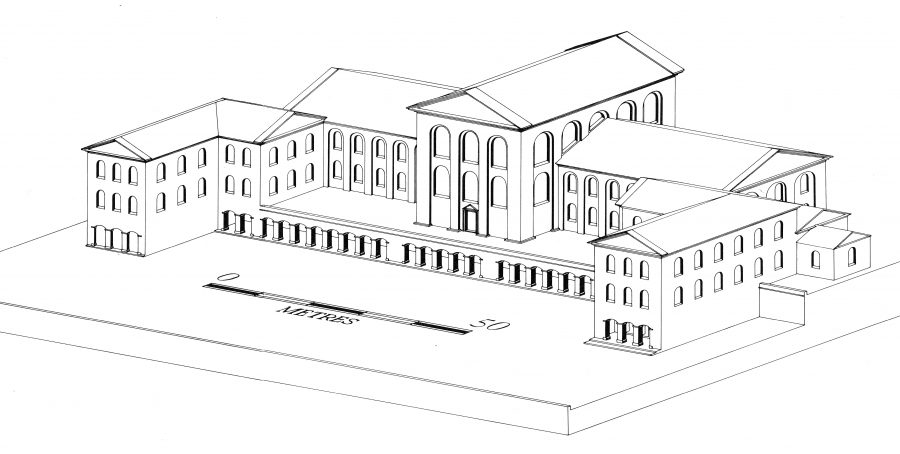
Time Team excavated here in 2010.
If you get a chance go and visit the church and support the preservation trust.
A footnote about St. Kyneburgha.
St. Kyneburgha was a seventh-century Mercian princess who founded a double monastery for men and women at the ruins of a Roman palace in Castor, near Peterborough. A daughter of the pagan King Penda of Mercia, she converted to Christianity, married the Northumbrian prince Aldfrith, and after his death, dedicated herself to founding this religious community in the Celtic Christian tradition. She served as the first abbess and died in 680 AD, becoming revered as a saint; her relics were later transferred to Peterborough Abbey, the predecessor to today’s Peterborough Cathedral.
You can find more pilgrimages by searching https://www.britishpilgrimage.org/