
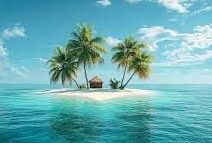

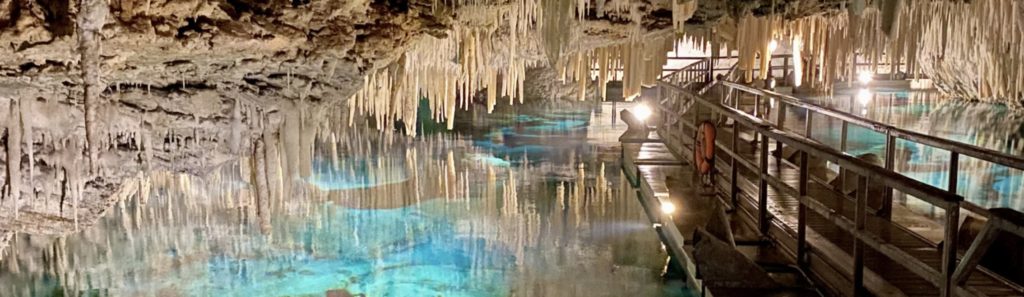
At our meeting this week we all spoke about an island that we had visited and loved. P. told us about Bermuda with its pastel coloured buildings, pink sandy beaches and where knee length shorts are considered formal wear. The natural wonder of its Crystal caves looks absolutely stunning.
Many years ago G’s grandparents had a house built on Hayling Island off the Hampshire coast. She has many happy memories of spending 6 week summer holidays there from being a very young child. We were surprised to learn that windsurfing was invented on the island in 1958. The island is T-shaped and a road bridge connects the island to the mainland. Unfortunately, the Puffing Billy rail line which was once extremely popular with tourists, was axed by Beeching in the 60s but it’s now an attractive walking trail.
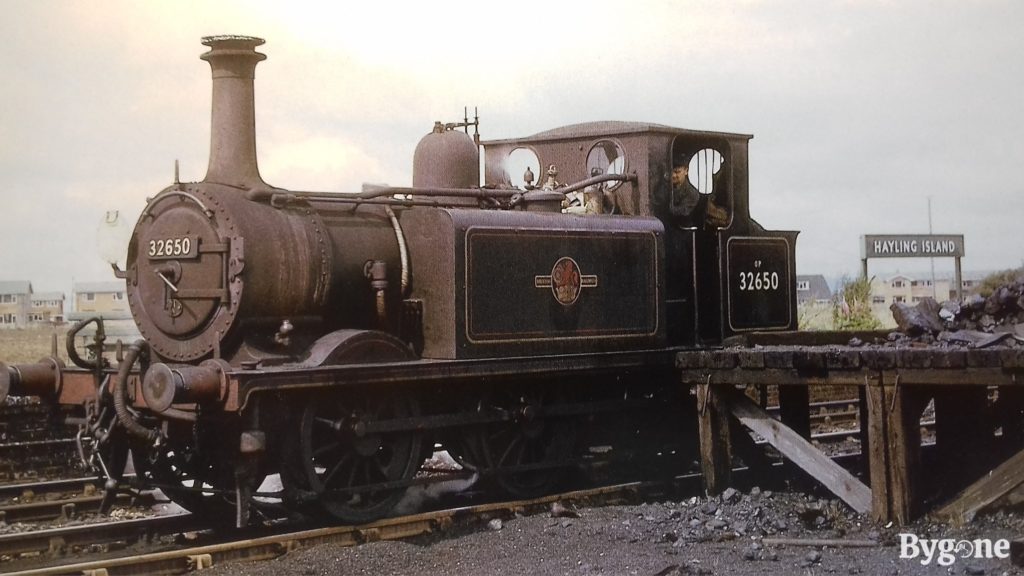
Puffing Billy
The rugged volcanic island of Madeira was claimed by Portuguese sailors in the early 1400s. It is renowned for its Madeira wine and cake but slave-driven sugar cane production brought initial prosperity to the island. The levadas (irrigation channels) were cut into the steep mountainsides to bring water from the wet NW part of the island to the dry SE and and today provide a network of walking trails, some of them tunnelling through the mountains.
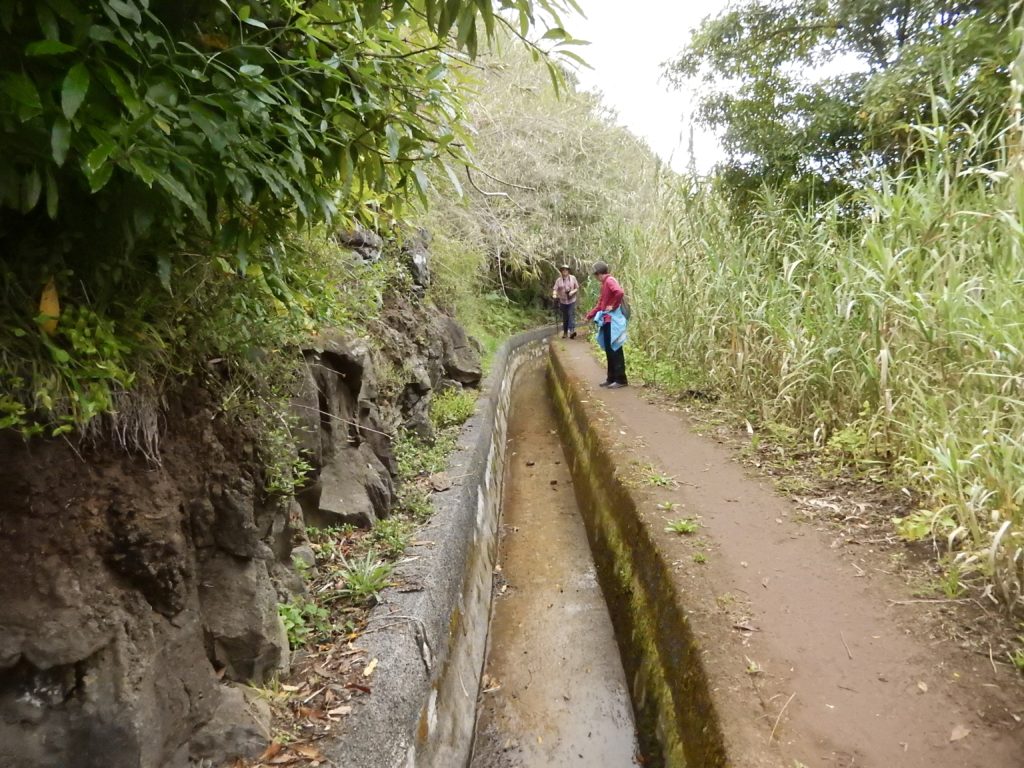
Levada irrigation in Madeira
Lundy, being about 5km long by 1km wide, is the largest island in the Bristol Channel. It has a rich bird life and is on major migration routes. The name Lundy is Scandinavian and means ‘puffin island’ and a local tourist curiosity is the special “Puffin” postage stamp. Reached by boat from Ilfracombe or Bideford, the island was bought by a millionaire in the 1960s who donated it to the National Trust although it is now managed by the Land mark Trust.
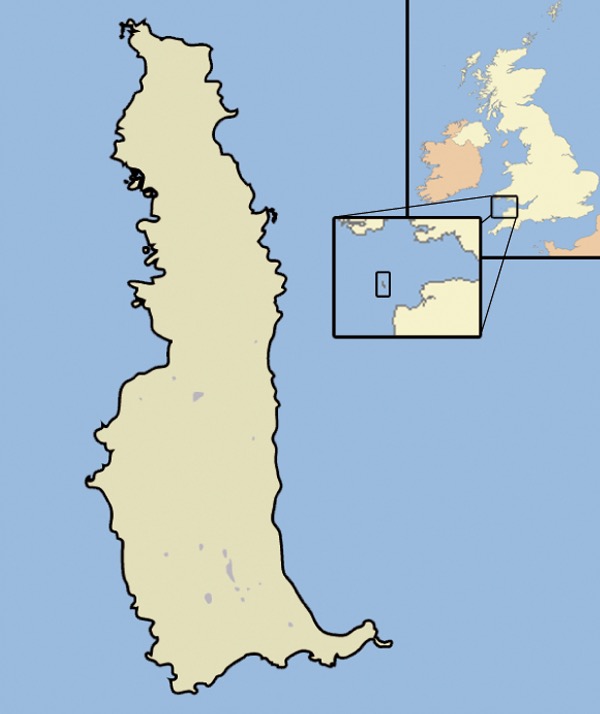
Lundy Island
Spitzbergen is the largest and the only permanently populated island of the Svalbard archipelago in northern Norway in the Arctic Ocean. In 1920 it became a sovereignty of Norway. Summer there brings 24 hours of daylight but in the long winter days, residents ski in the dark with lamps fixed to their heads. The island is home to the Arctic fox, reindeer, huskies dogs and voles and many different kinds of migratory birds, whilst marine animals include whales, dolphins, seals, walruses and polar bears. Tourism is popular nowadays. E. described people using their Nordic poles to fight off skuas whilst out walking. Coal ming began at the end of the 19th C but the last mine closed this year. Worryingly, global warming and fast melting ice renders the environment fragile with the threat of severe impact on the wildlife of the island. The Centre for Scientific Research on Spitzbergen works on recording these environmental changes.
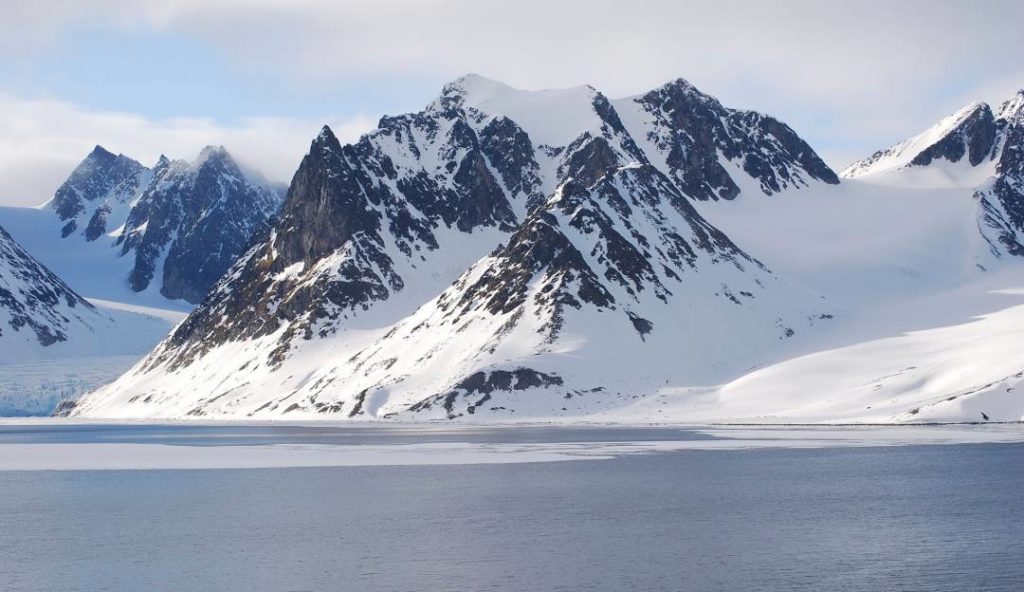
Spitzbergen
S. had recently holidayed on the Isle of Man, birthplace of the BeeGees. It is a self-governing British Crown Dependency so not part of the UK. It has its own 1000 year old parliament established by Norsemen and its own Manx Gaelic language. The island is known for its rugged coastline, medieval castles, tail-less cats, four-horned sheep and the TT motor cycle races. It also boasts the Manx Electric Railway, the oldest electric tram line in the world whose original rolling stock is still in service.
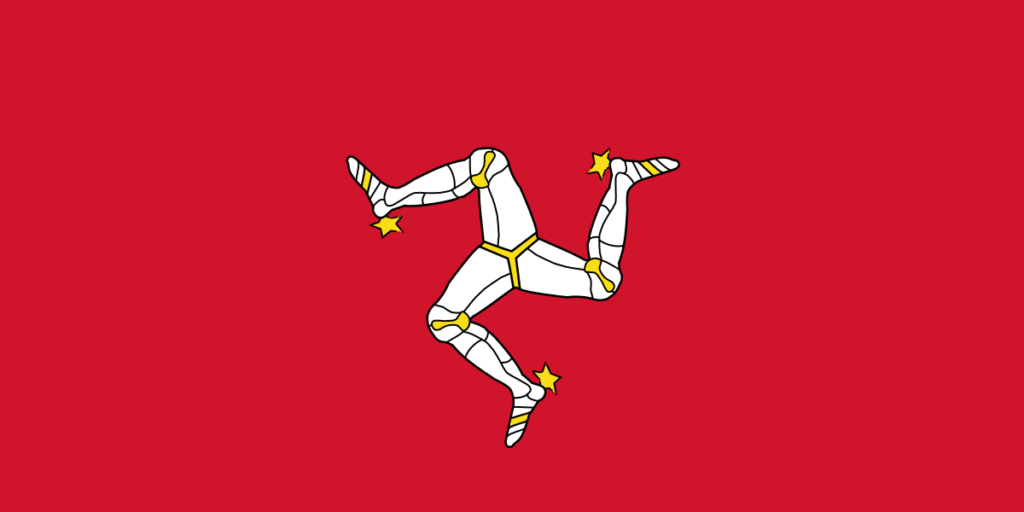
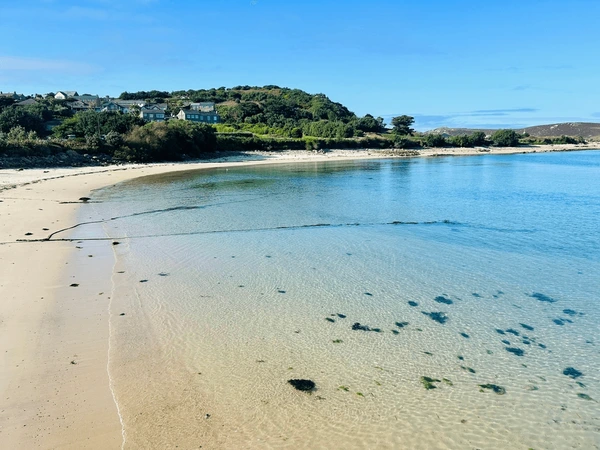
Bryher is the smallest inhabited island of the Scillies, having broken off from Tresco and its name means ‘place of hills’. The population numbers around 80. Hell’s Bay was famous for shipwrecks in the 18th and 19th centuries. Nowadays the island is famous for its rich flora and fauna and tourists come for the wildlife, for walking and boating. Electricity came to Bryher in 1986 and Bar Quay in the north, was originally built by volunteers in 1990 through the auspices of the TV programme ‘Challenge Annika’.
J. chose to talk about Martha’s Vineyard, situated seven miles off the coast of Massachusetts. It is the historical territory of the Wampanoag Native American people 90% of whom were wiped out by leptospirosis brought in by the rats on English colonists’ ships. The Wampanoag had a matrilineal system. Women owned property and hereditary status was passed through the maternal line. In the late 19th century oak Bluff became the first beach destination in America where African Americans could holiday and freely buy property. To this day, women activists, authors and artists have been central to making Martha’s Vineyard an inclusive island where women’s work has shaped life.
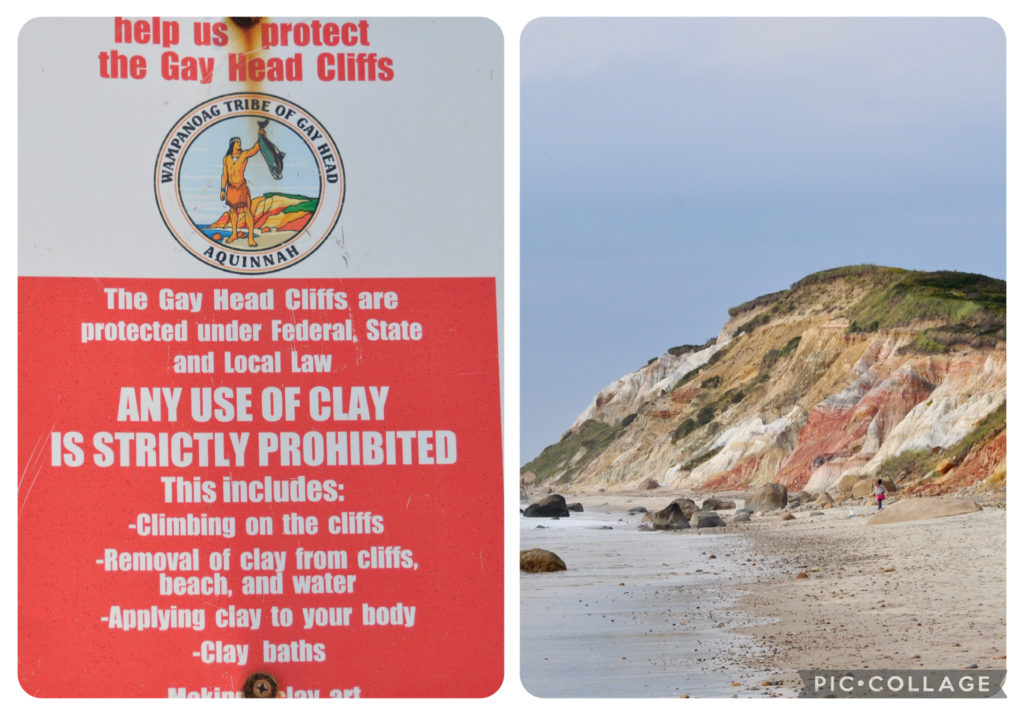
Wampanoag Tribe of Martha’s Vineyard