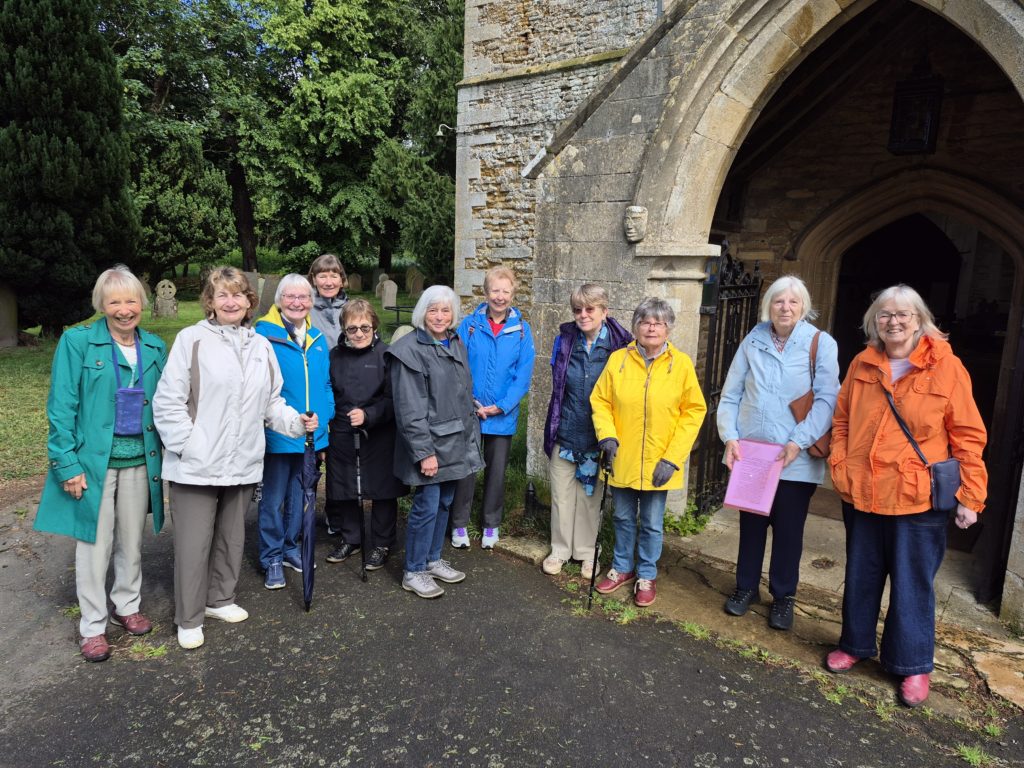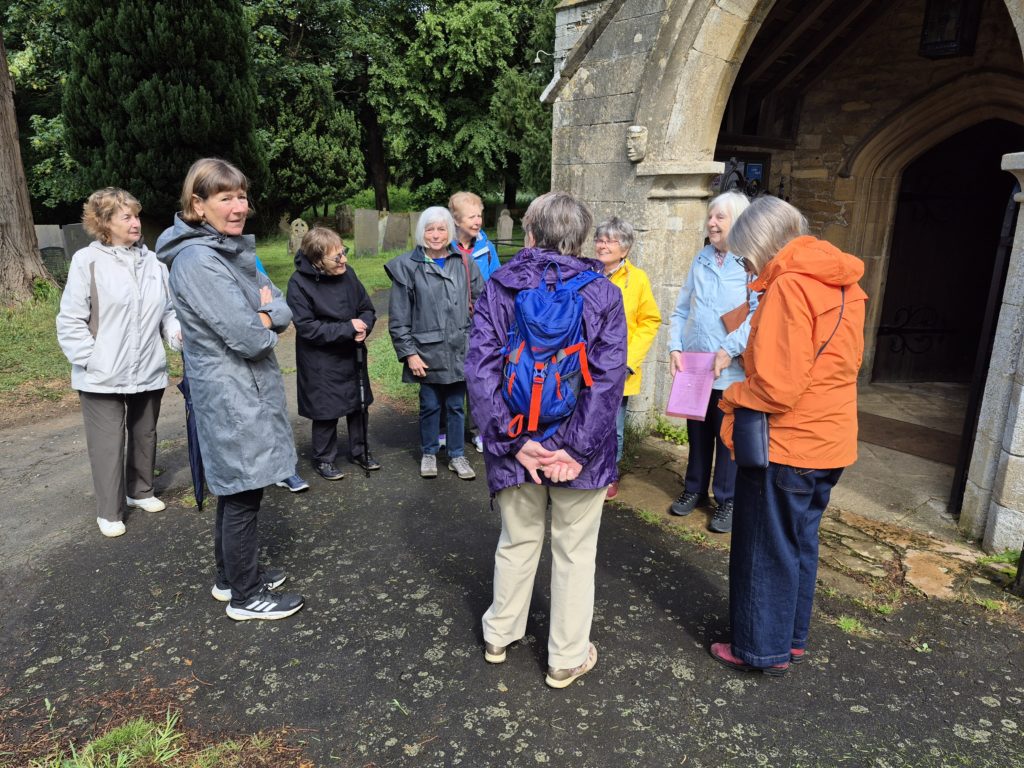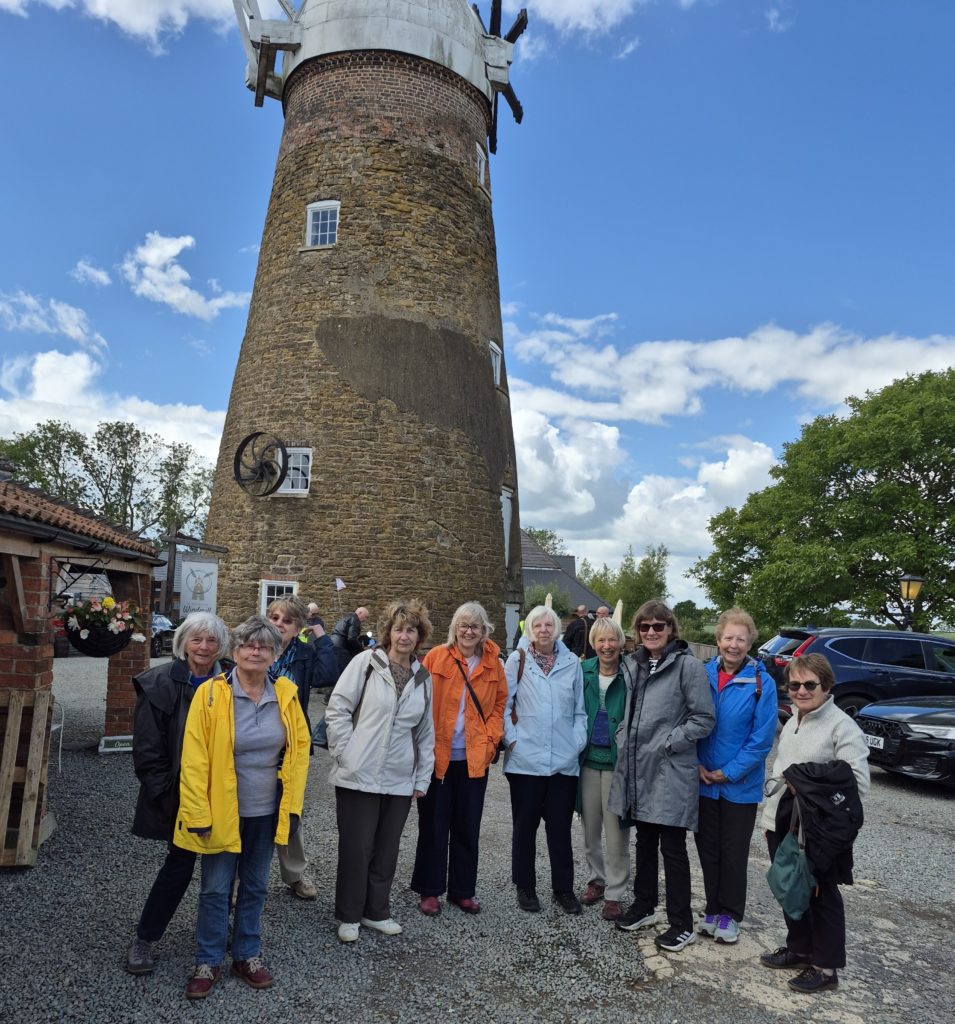


NWR OAKHAM ventured out of Rutland to explore WYMONDHAM in Leicestershire
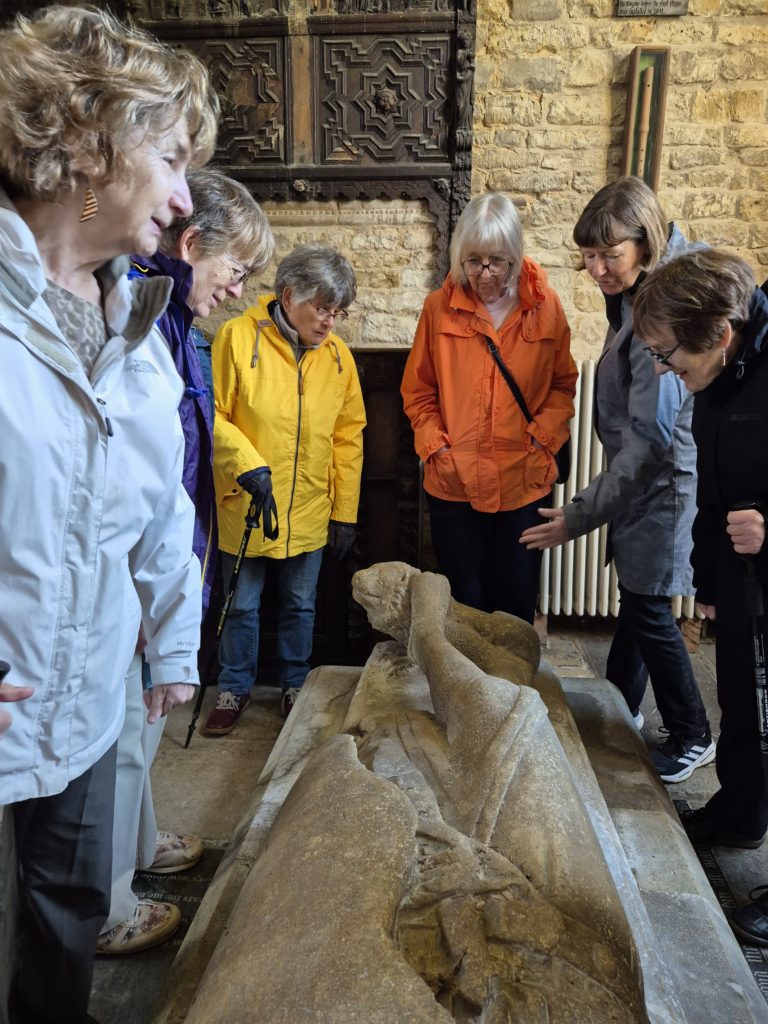
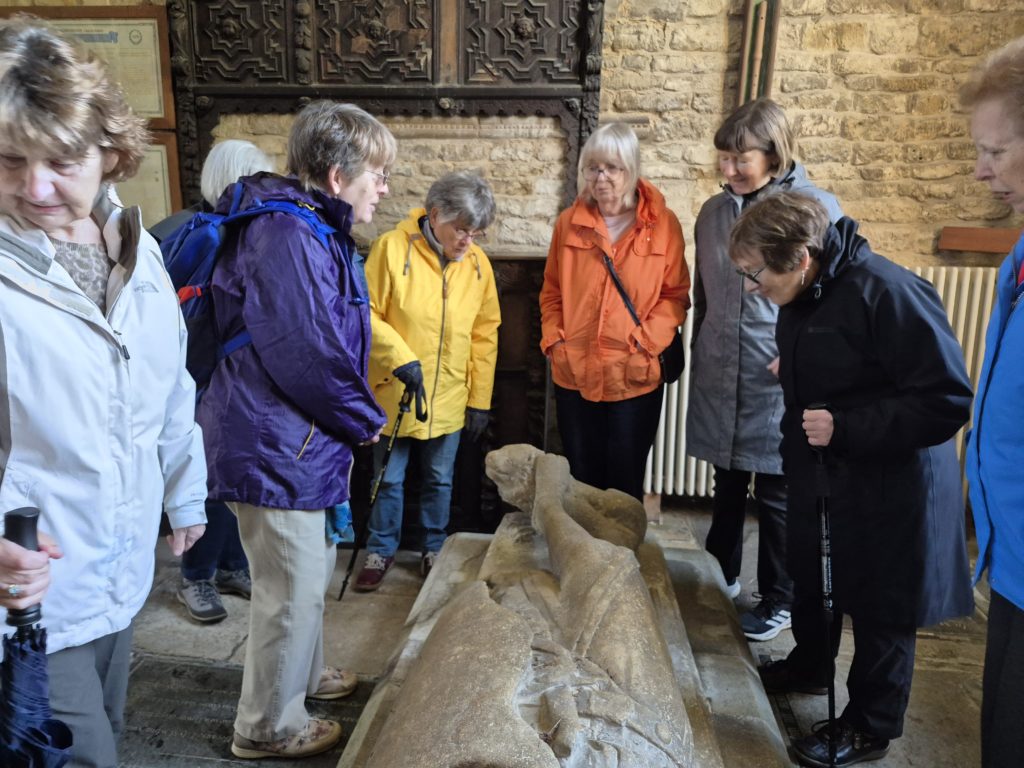
The Manor of Wymondham was held by the Hamelin family in the 1200s. In the south transept of St Peter’s, the parish church that dates back to the 13th century, there is a chantry chapel founded by William Hamelin in 1290, who gave land in Wymondham, Saxby and Thorp Edmer for a chaplain to celebrate mass in perpetuity on his behalf. Also there, is a monument in the form of a large effigy of a knight, cross-legged, dating from the late 13th century; this was Sir John Hamelin who was supposedly a crusader on three occasions. Sir John’s daughter and heiress, Isabel Hamelin, carried the manor to her husband, Sir Thomas Berkeley, a son of Thomas de Berkeley, 1st Baron Berkeley in whose family it remained for centuries. Sir Thomas Berkeley (died 1488) was an English lawyer and politician who represented Leicestershire in Parliament and served as Sheriff for Rutland, Warwickshire, and Leicestershire. Once three, there remains now only one Public House in Wymondham, aptly named The Berkeley Arms.
It seemed that in the 19th century there were at least three chapels of different denominations in the village; these are now derelict and have redevelopment notices affixed. The village still retains a small primary school in a modern building, while the original school, with bell, is now a private house. There are many pretty cottages with true English gardens and larger houses that have been carefully renovated to remain in character.
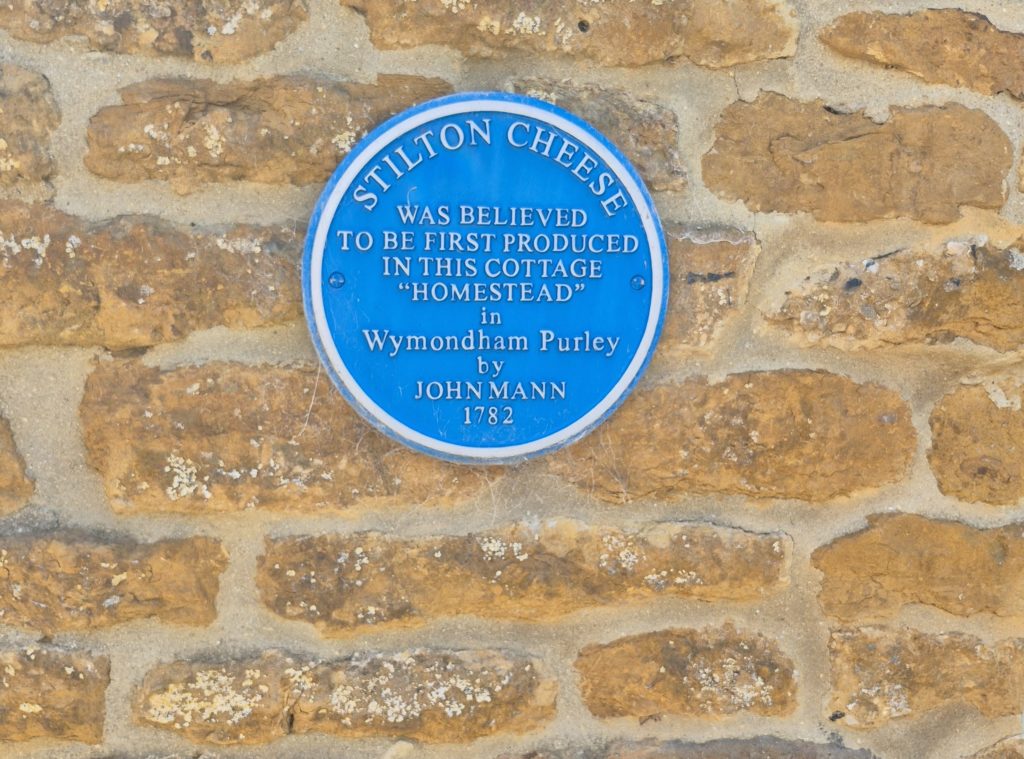
At one property lived Frances Pawlett (known as Paulet), a “skilled cheese maker” of Wymondham, who has traditionally been credited as the person who set modern Stilton cheese‘s shape and style characteristics in the 1720s. Others compete for that honour. For example, in “West End”, a quaint and very old part of the village that once housed various trades, a John Mann was also lived and was involved in Stilton cheese making in his home. (Blue plaque photo).
At another property, a tiny single storey detached dwelling lived the Gill family who opened their front door as a sweet shop for years. This plot also once housed a small sock factory that made socks for WW1 soldiers.
On the edge of the village is a field, called Cribbs Meadow, where an international boxing match took place in 1811. This location was chosen because it marked the junction of 3 counties: Leicestershire, Lincolnshire and Rutland. If there was going to be any dispute the organisers would have the benefit of choosing whichever of the three Magistrates’ benches was most favourable to their case!
A disused railway line, once part of the Midland and Great Northern Joint Railway branch line between Saxby and Bourne, runs just to the north of the village. The Edmondthorpe and Wymondham railway station closed to passengers in 1959, though the line remained open for ironstone freight, and Queen Elizabeth journeyed along it in 1967. The route was also used for holiday trips from Leicester to Skegness. We passed the former goods yard, goods shed, station, Station House and Navvies’ Cottage (Grade II Listed) when we walked or drove from the village along Butt Lane towards the famous windmill, our final destination.
Wymondham Windmill is a restored 19th-century windmill, where, right beside it is: an award-winning tearoom, unique boutique shops and workshops, a craft centre, a play area, a woodland trail and rooms for private hire. As there is also a cycle repair shop this site attracts cyclists, moped riders, motor cyclists all of whom we met during our visit. Of course, true to NWR form, the tea room was the big attraction: a chance to sit, chat and reflect on a good morning outing.
Thank you to member Polly and her husband Les for devising the route and guiding us round with all this information to hand. And thank you to member Teresa who treated us all to the delicious coffee and cakes at the Windmill.