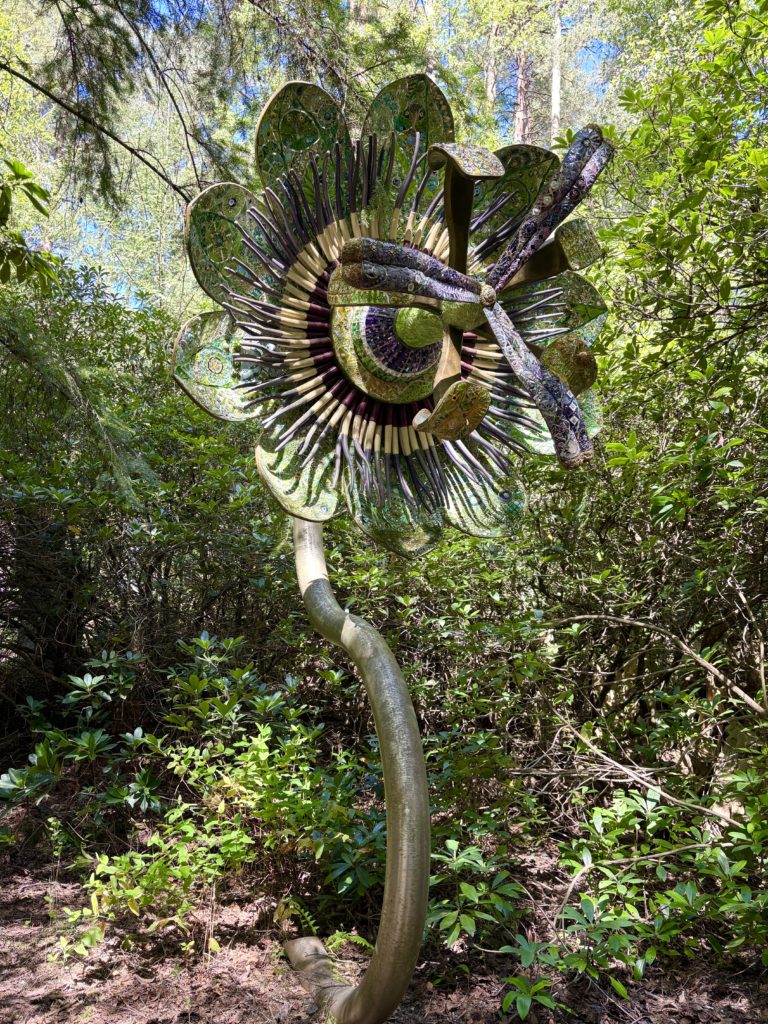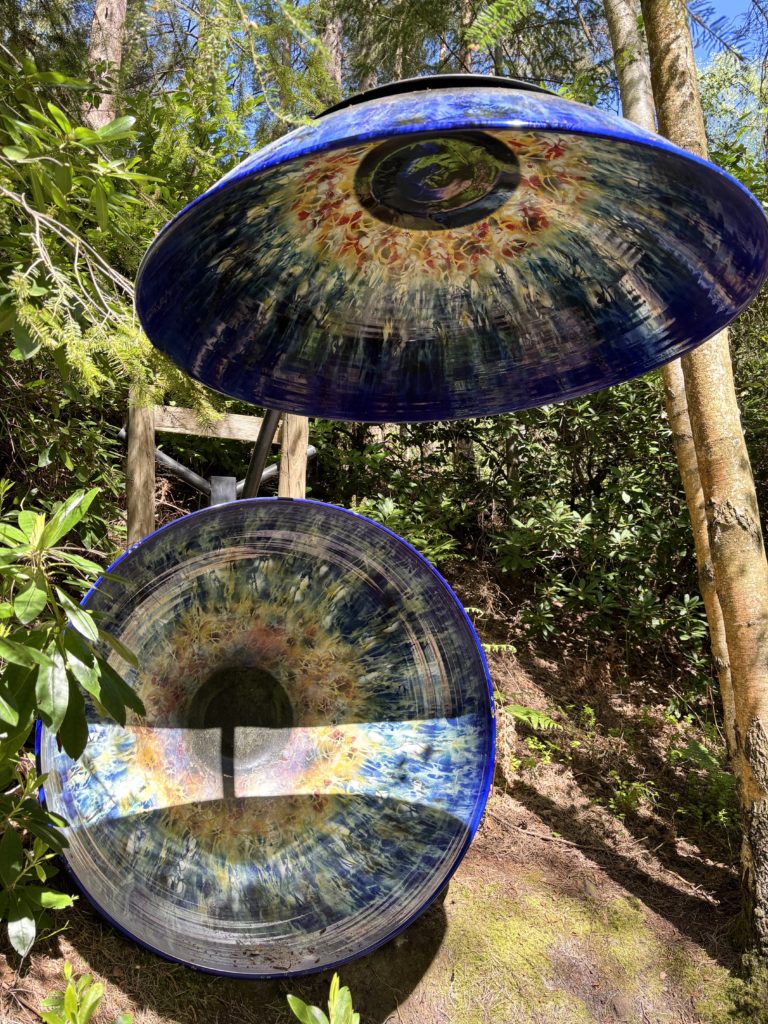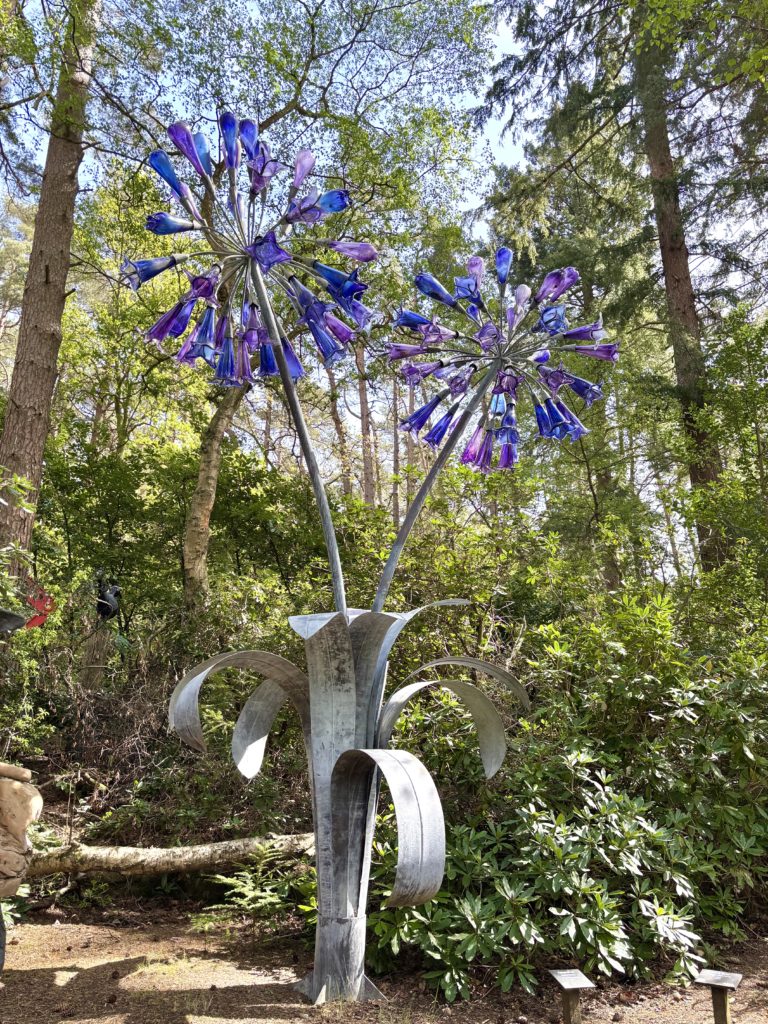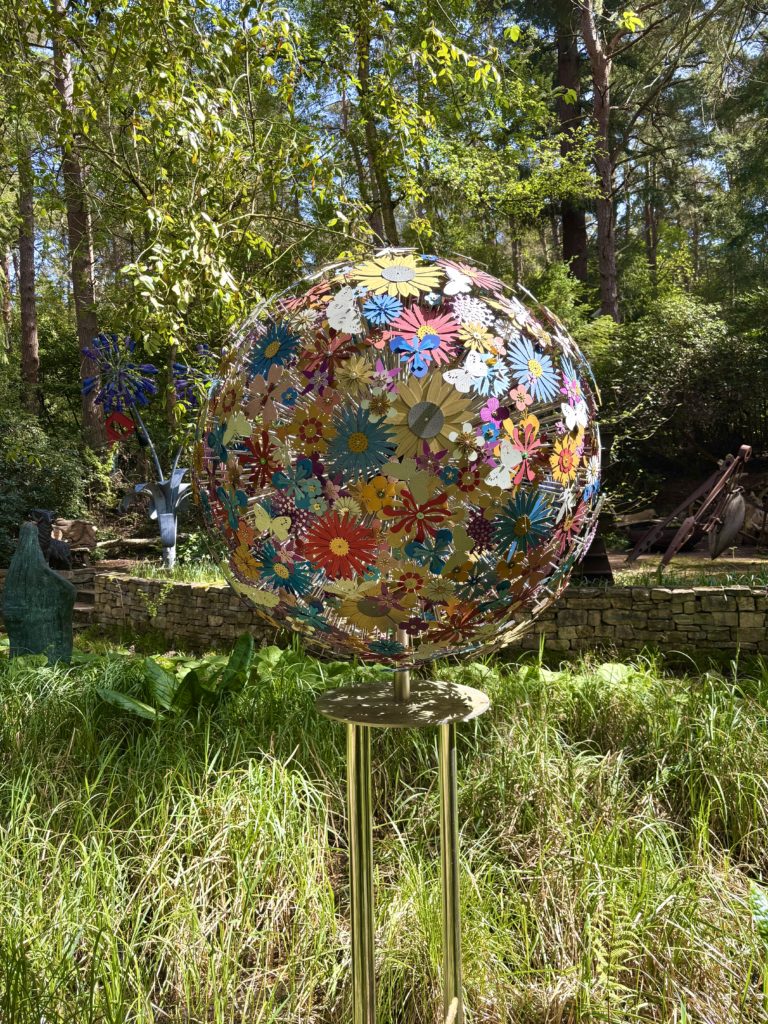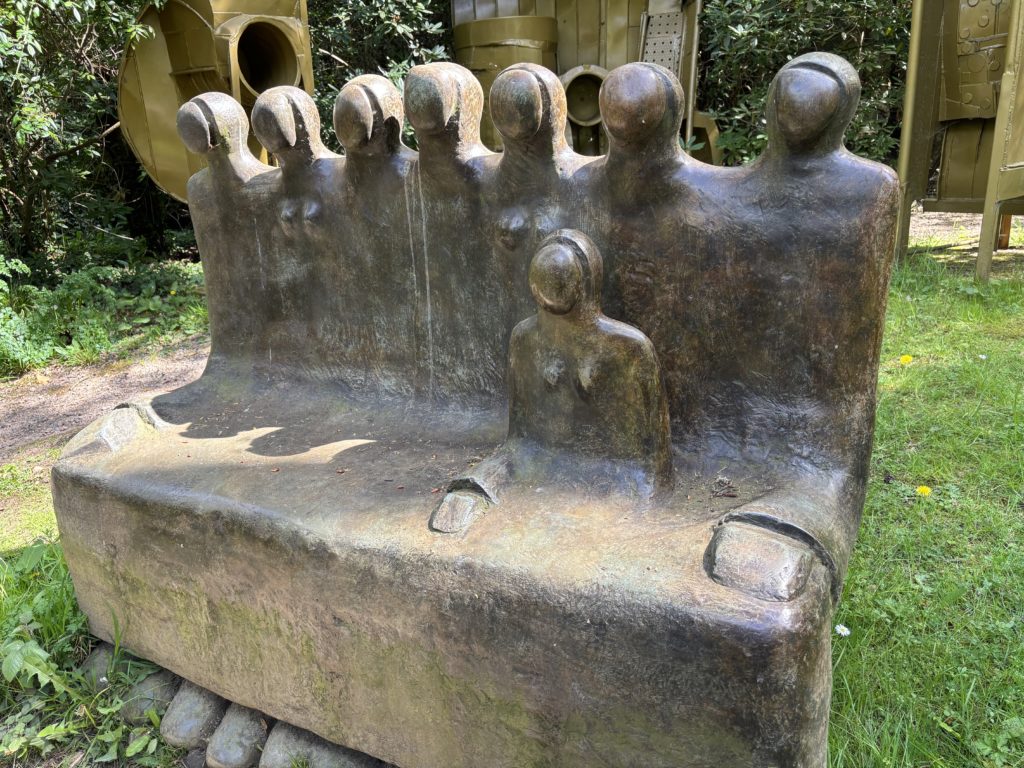
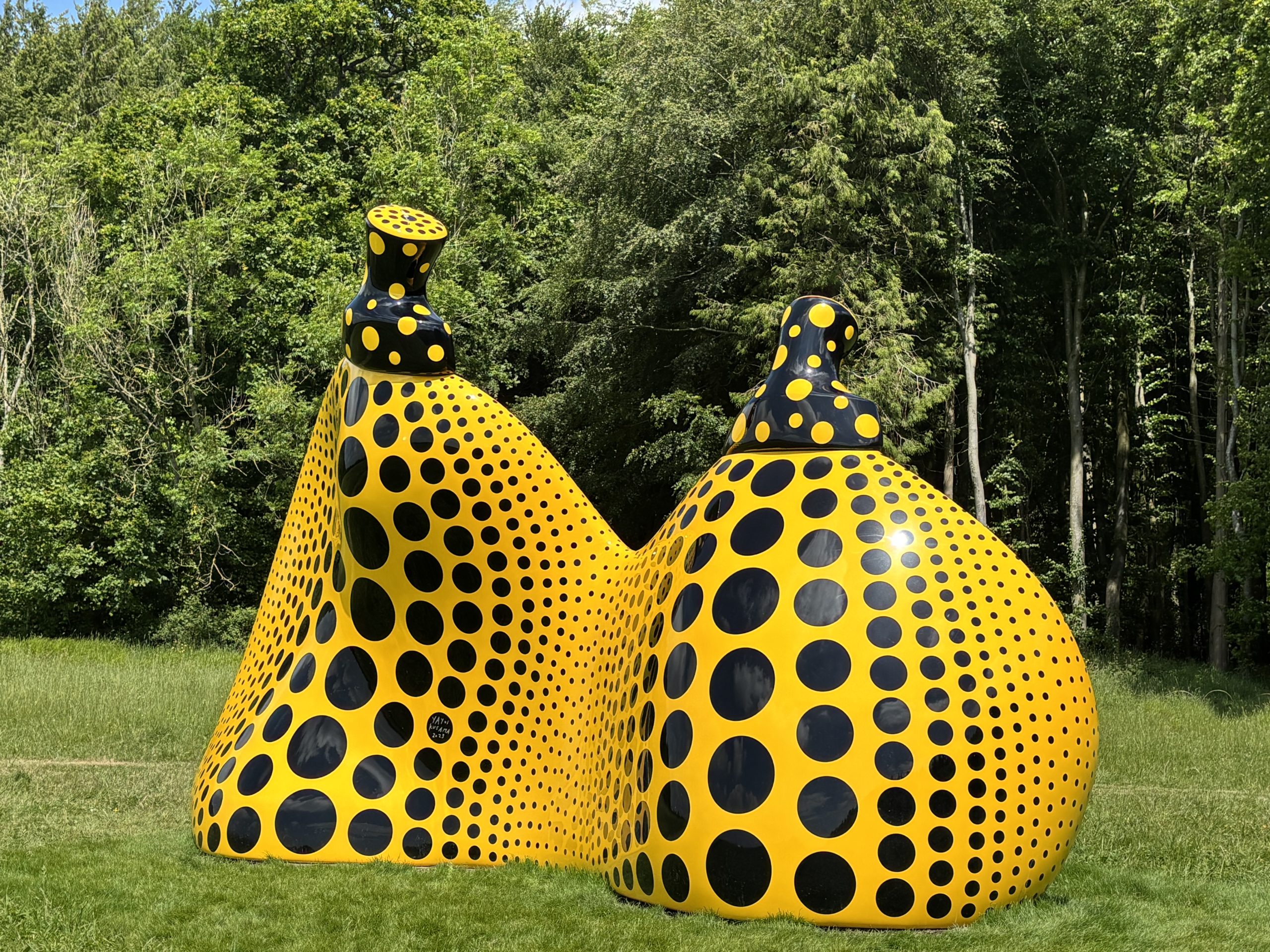

We are fortunate here in Horsham, in having several super sculpture parks within striking distance, some less well known than others. Over the years some of our members have visited the Surrey Sculpture Exhibitions at Ramster Gardens, Farley’s House and Gallery (home of the Surrealists), Leonardslee garden sculptures, Goodwood Art Foundation (previously known as the CASS Foundation), and Borde Hill Garden Sculptures, all of which are worth visiting.
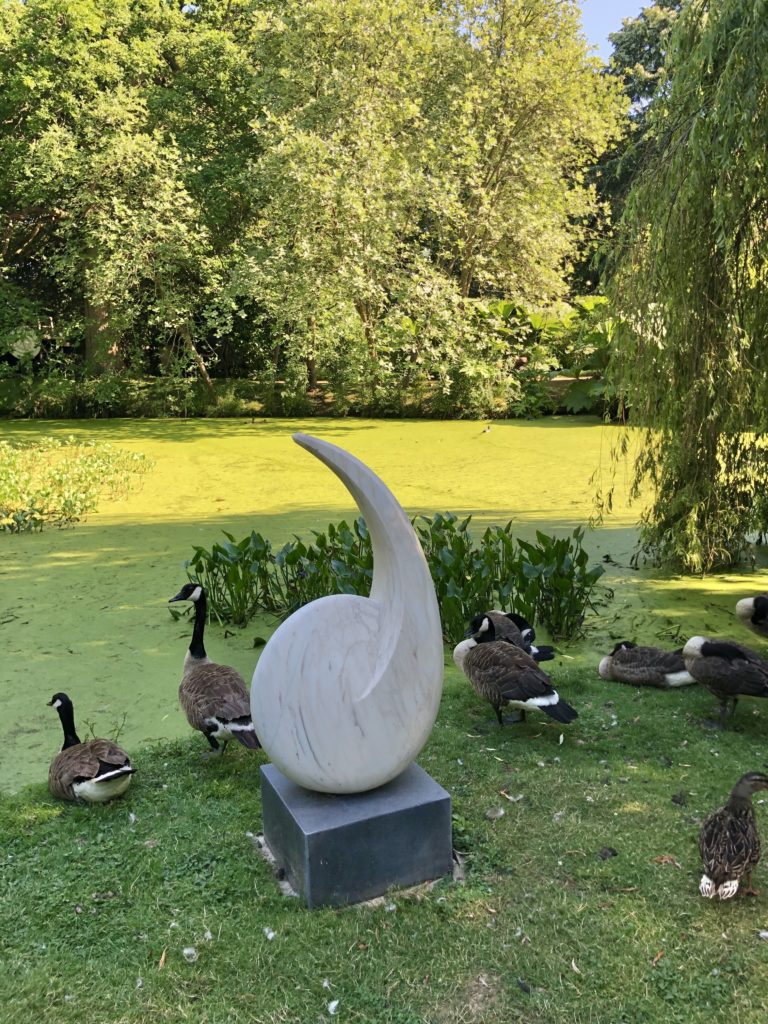
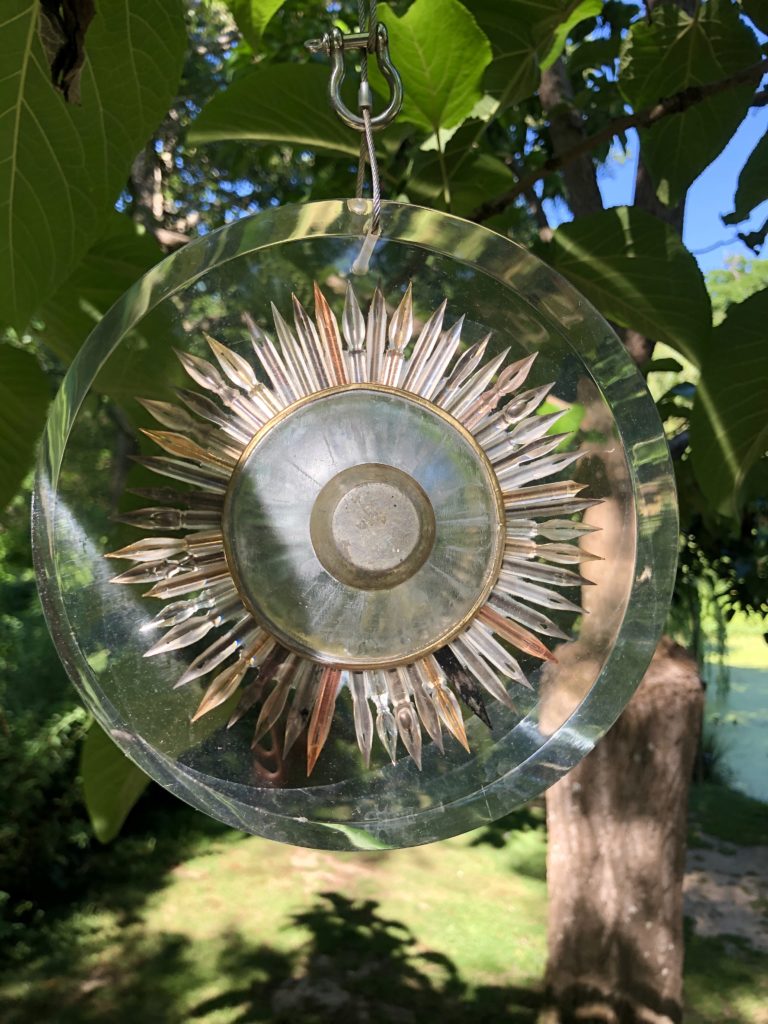
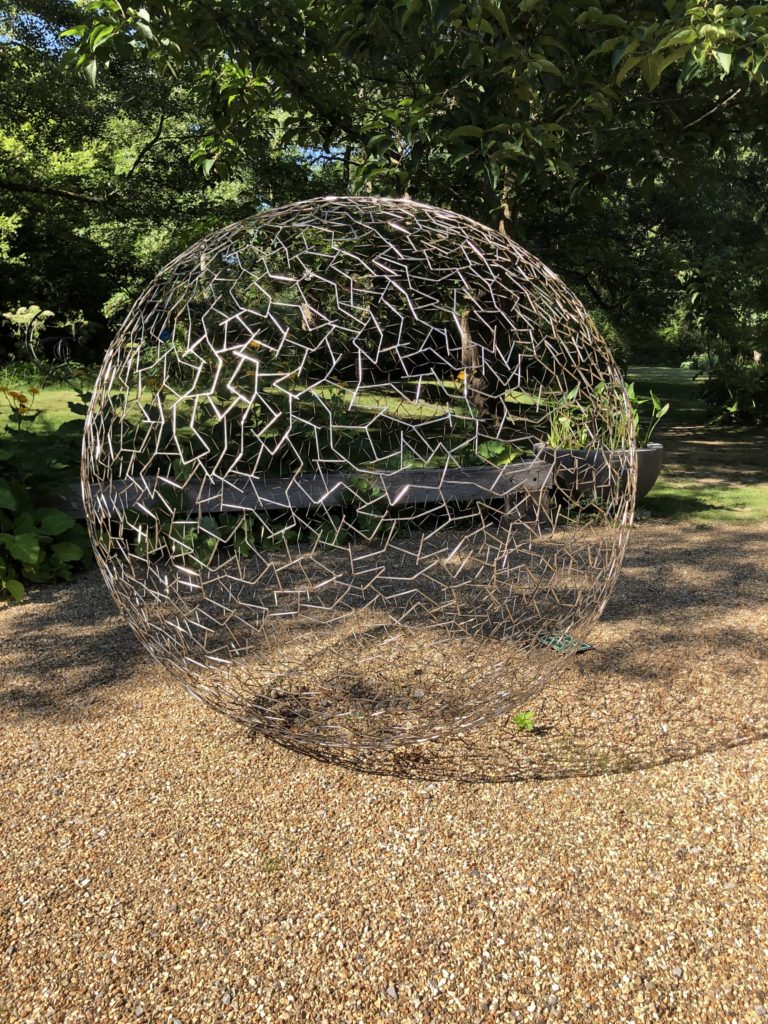
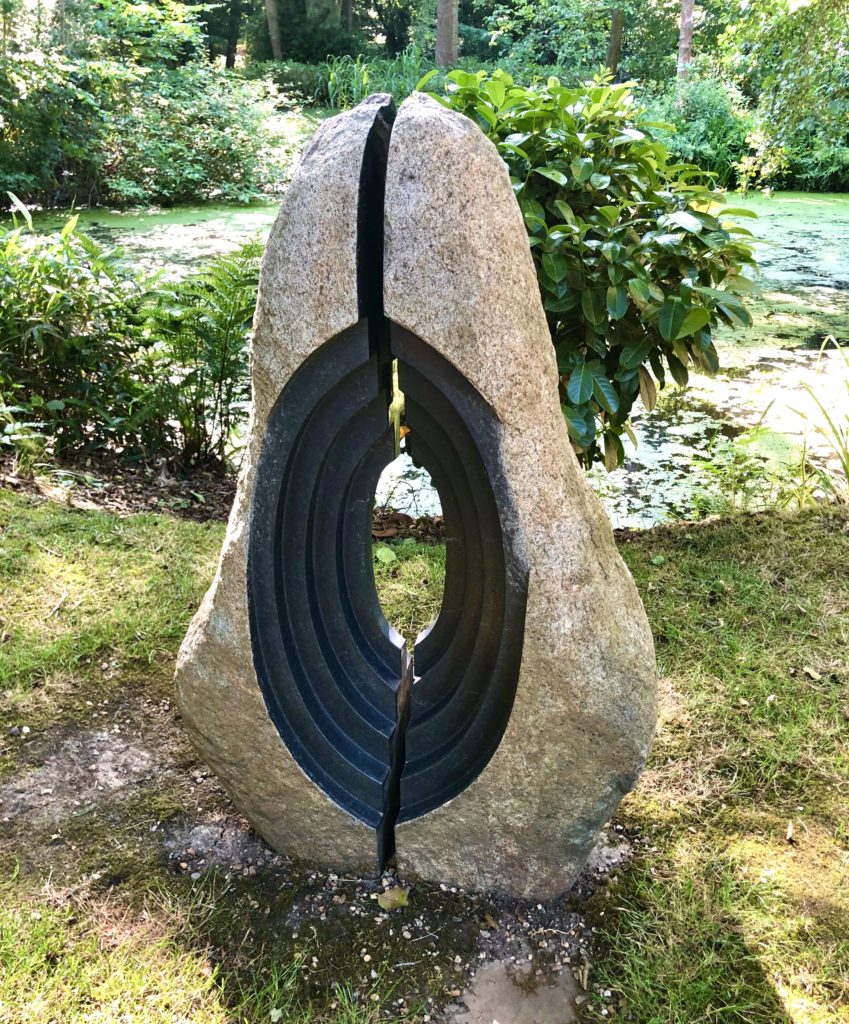
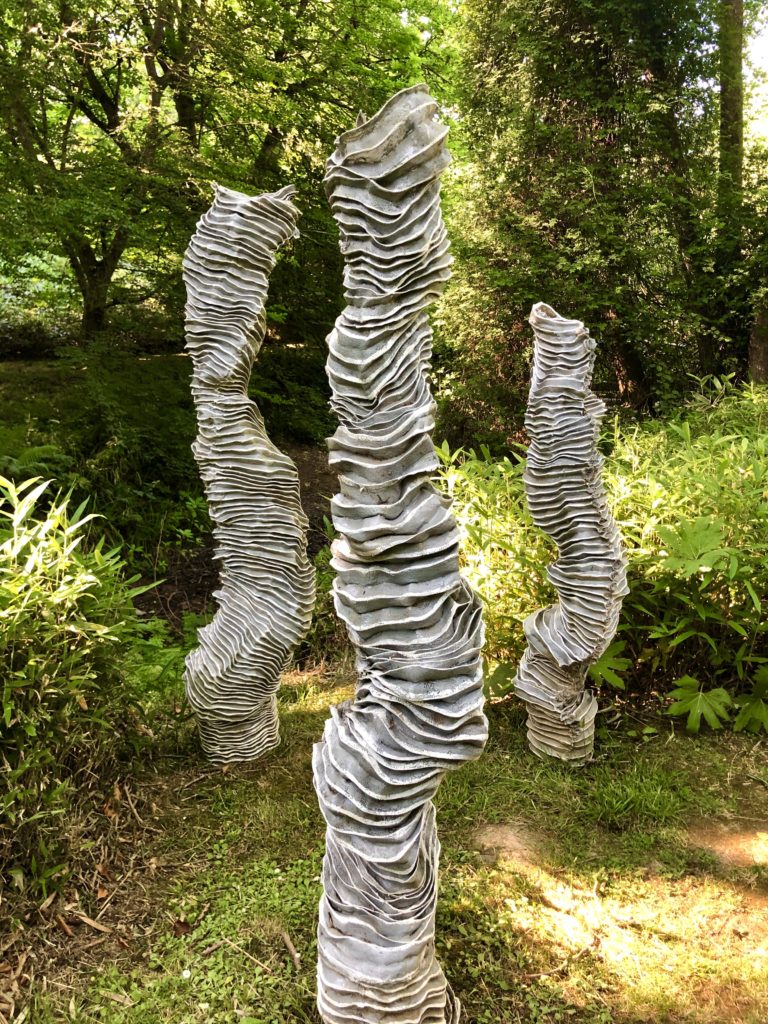
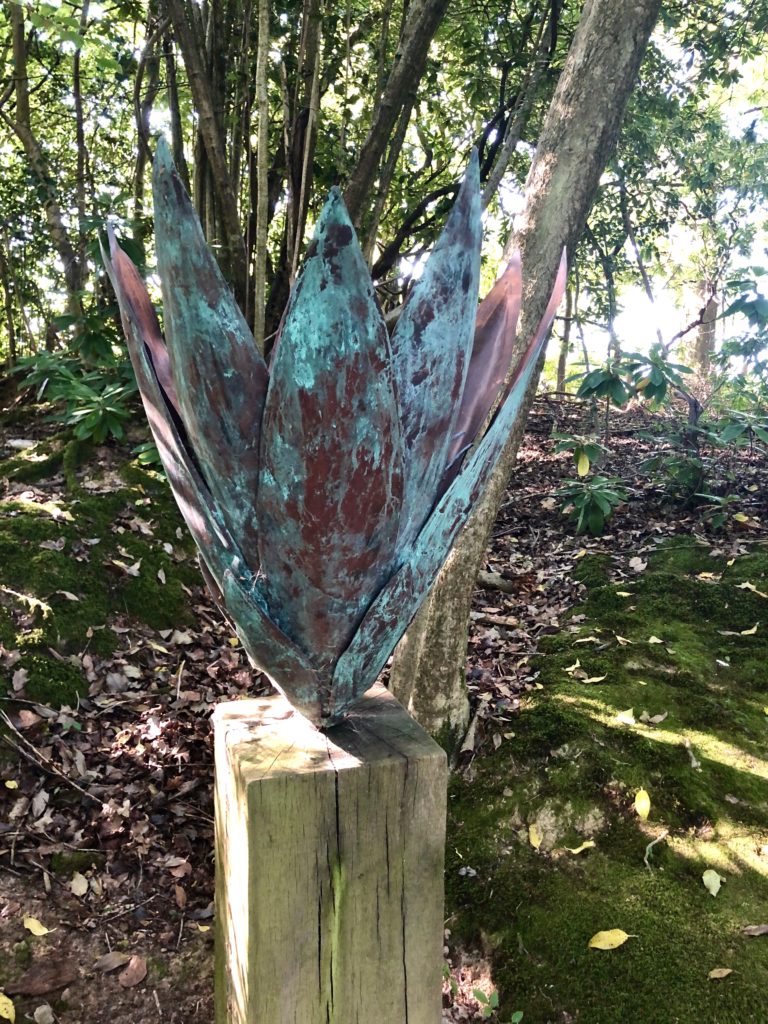
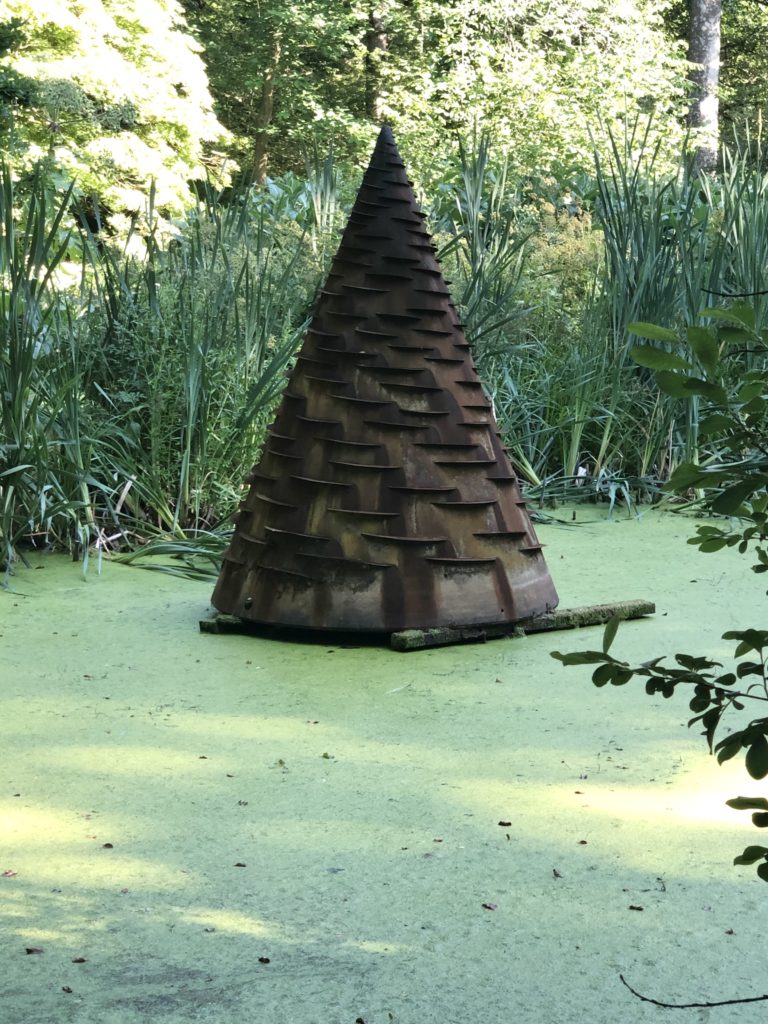
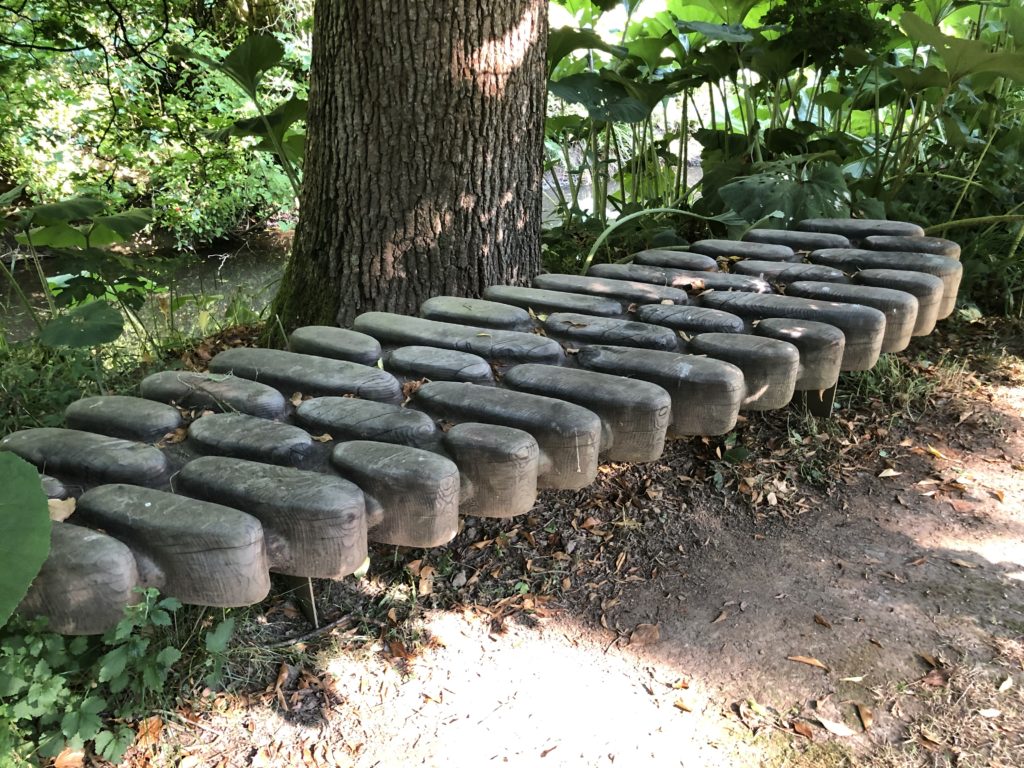
One of the closest, is the Hannah Peschar Sculpture Garden and indoor gallery in Ockley which opened in 1980. Hannah and her husband created the sculpture gardens to showcase emerging talent as well as established artists. The garden celebrates the harmony of art and nature, each piece carefully chosen to be placed and enhanced by the trees, foliage or water.
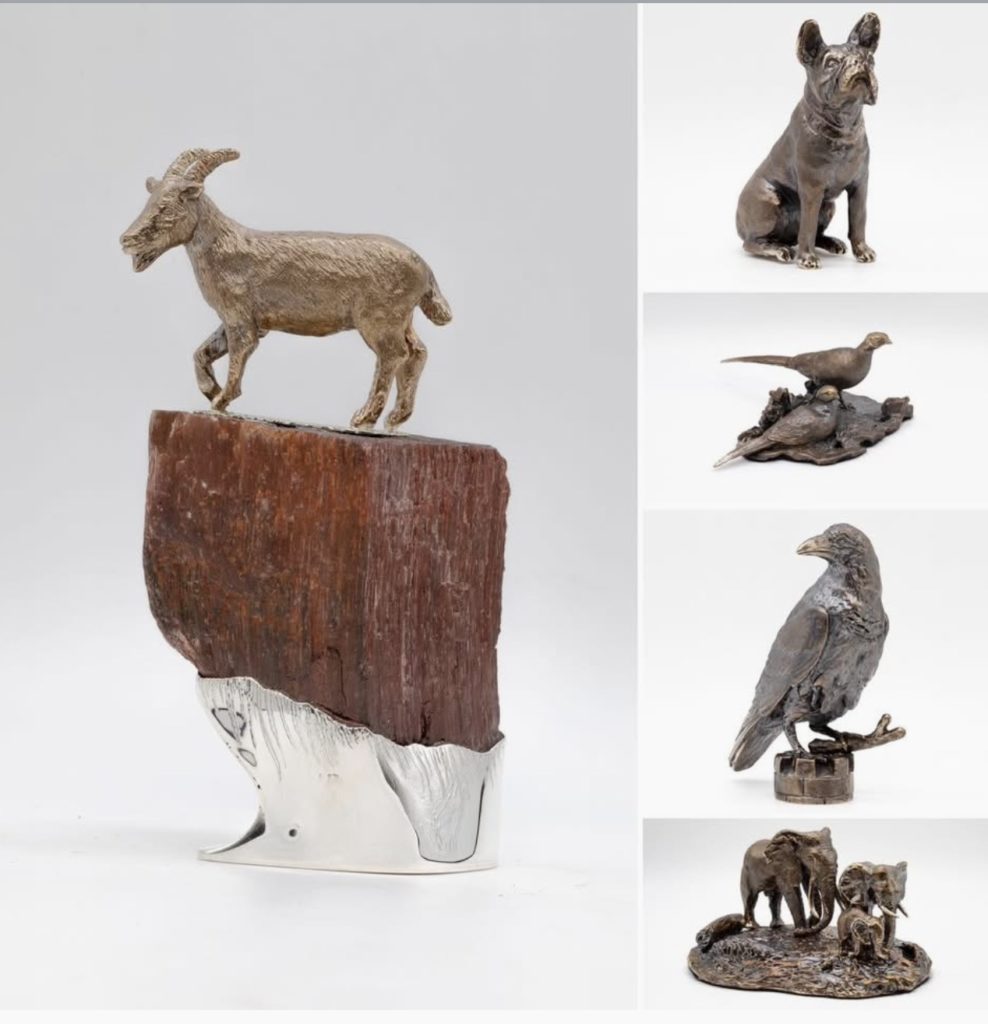
On the High Street in Cranleigh is a little shop owned by goldsmith, silversmith and wildlife miniatures sculptor, Paul Eaton. Paul lives in the Surrey Hills and this is where his love of wildlife started. His sculptures are carved in wax then cast in solid bronze or silver. Paul takes a mould from the original artwork to ensure a ‘back up’ of the original in case the casting process fails. Over the last 10 years Paul has been invited to enter Miniature Art Exhibitions all over the world and has won awards for his sculptures. One of our members is very fortunate to own two beautiful pieces of his work.
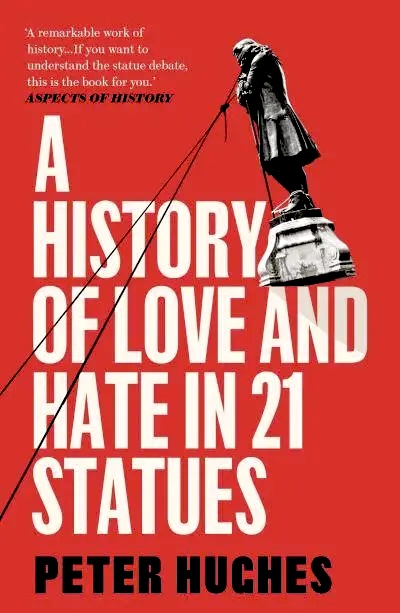
An interesting book was recommended to us by one of our members – ‘A History of Love and Hate in 21 Statues’. The book explores why public monuments provoke intense emotions, examining the history of statue creation and destruction across civilizations, from ancient Egypt to modern-day culture wars. Liz told us the stories of three statues that have been vandalised and torn down. Edward Colston, Felix Mendelssohn and George Washington. The book’s author, Peter Hughes, is a psychologist specialising in the madness of crowds so this fact probably gives the book an enlightening approach to the mindset of the ‘mob’.
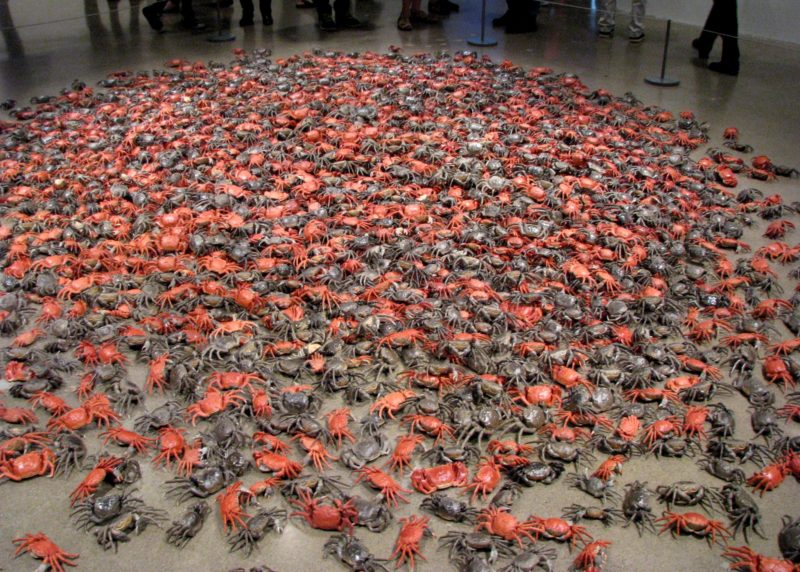
The Chinese contemporary artist, Ai Wei Wei who was arrested, and detained without trial by his own government was briefly discussed as a conceptual artist who combines his art with political criticism, particularly censorship, human rights and state power. One of his famous works for example,’ He Xie’ features thousands of hyper-realistic, brightly painted porcelain river crabs piled together in a chaotic mass, symbolizing citizens who have been trapped, oppressed, or silenced by the state. The work is a sharp political satire as in Mandarin, “he xie” sounds exactly like the Chinese word for “harmony”—the Chinese Communist Party’s slogan for an oppressive regime.
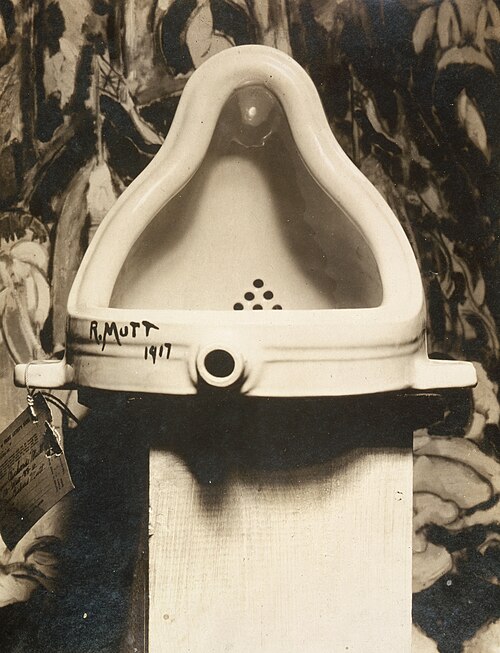
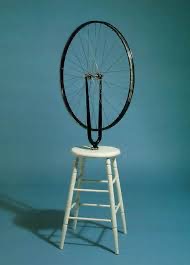
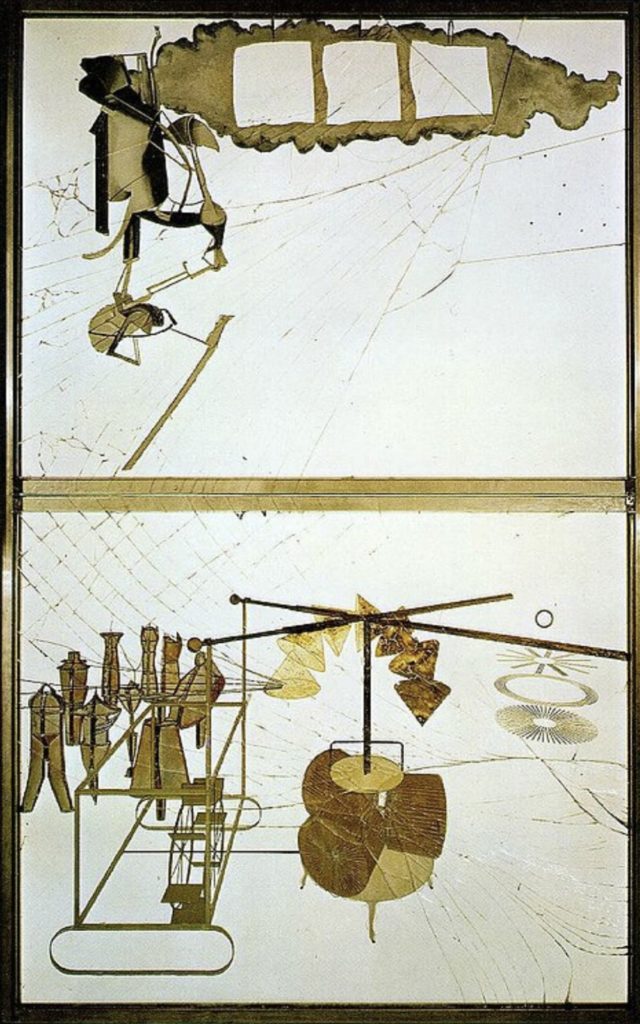
The French American artist/ sculptor, Marcel Duchamp (who incidentally greatly influenced Ai Wai Wai), was perhaps most well known for Fountain (1917) a porcelain urinal signed “R. Mutt” and flipped on its back. As the most famous “readymade” in art history, it radically argued that an everyday object becomes art simply because the artist chose to elevate it. There was divided opinion in our group as to whether or not it constitutes ‘art’. In 1917 Duchamp submitted the above work to the Society of Independent Artists in New York, whose exhibition rules explicitly promised to accept any artwork as long as the application fee was paid. Despite the rules, the board (of which DuPont was a director), rejected the urinal, deeming it vulgar and not a true work of art. Duchamp resigned and the debate goes on as to “What is true art?” Two further works which engendered discussions were
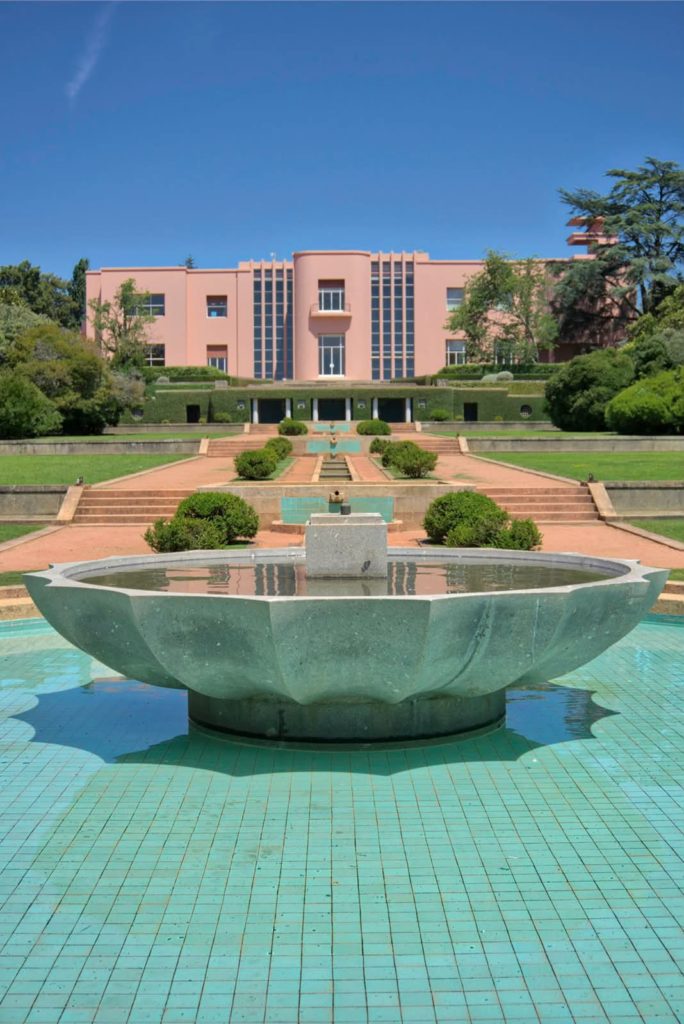
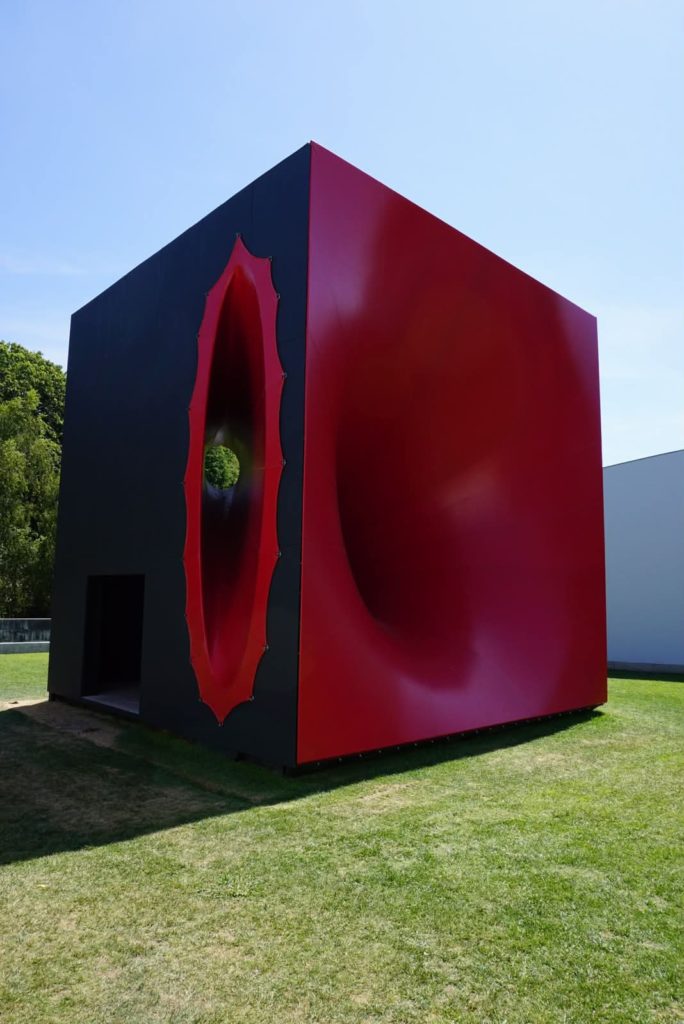
Another sculptor discussed was Anish Kapoor who believes that the role of the artist doesn’t lie in pronouncements about the meaning of their own work. For Kapoor, an artwork isn’t a closed loop with a single interpretation. Instead it’s a dialogue between the art and the viewer.
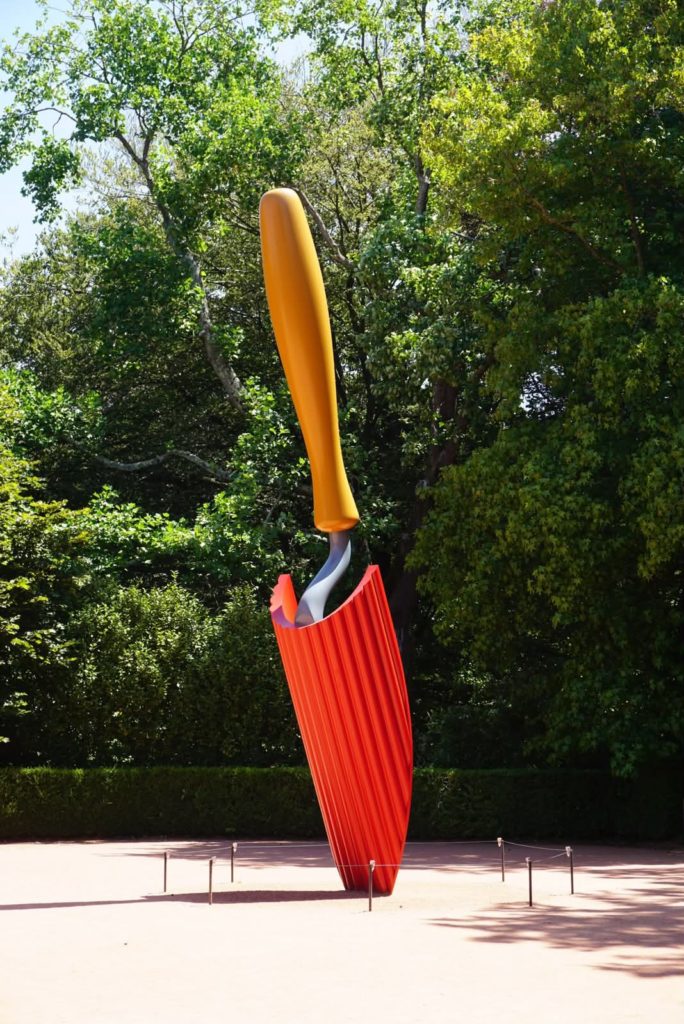
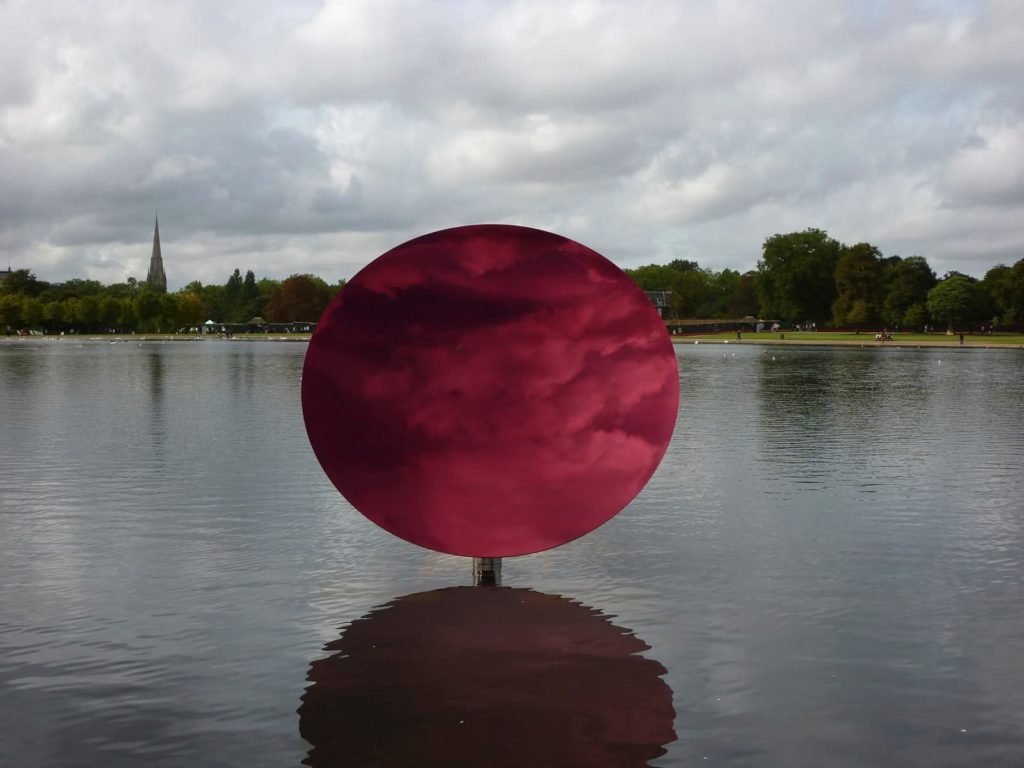
Kapoor’s ‘Orbit’ sculpture was selected as a permanent feature for the Olympic Park in 2012.
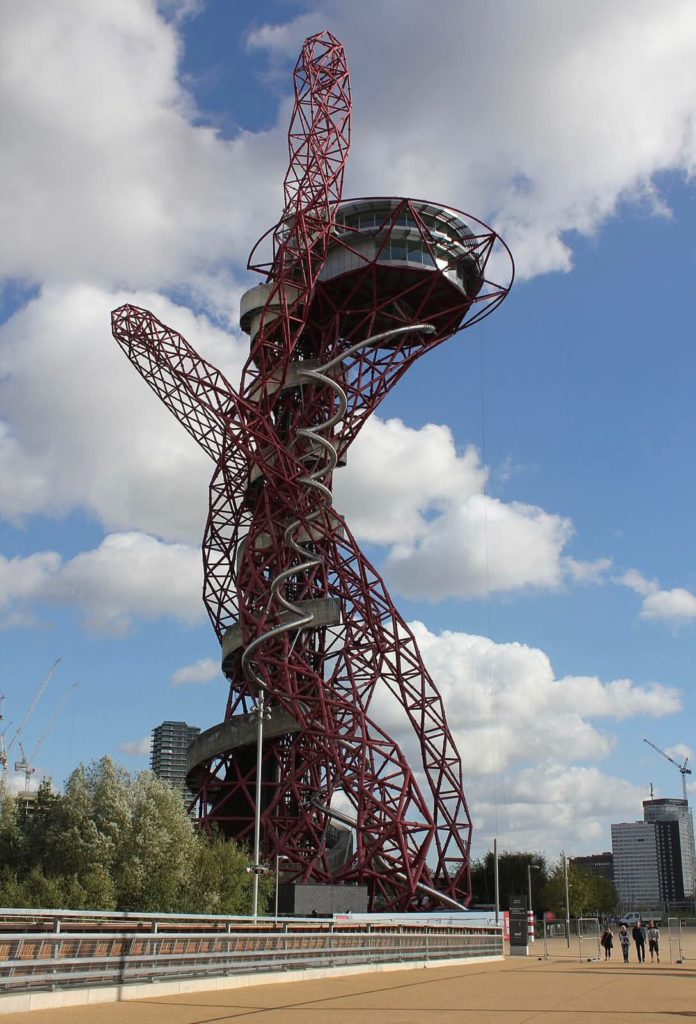
The structure incorporates the world’s tallest and longest – 178 m (584 ft) – tunnel slide, and I can vouch for how exciting a ride that is!
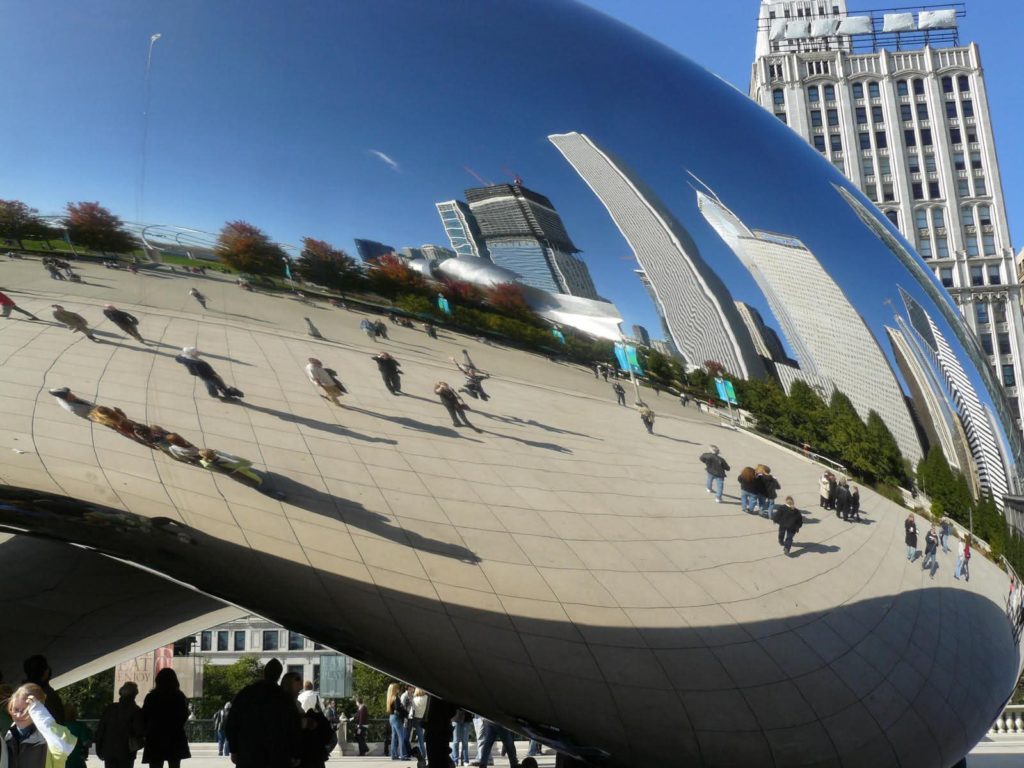
The Chicago Bean, officially named ‘Cloud Gate’ in Millennium Park, Chicago’s most photographed public artwork. If you look closely at the photo below you will see the reflection of one of our members, jumping for joy!
Anthony Gormley is another well-known and well-loved artist. Famous for using casts of his own body for many of his art installations, some of his works are spread over enormous distances.
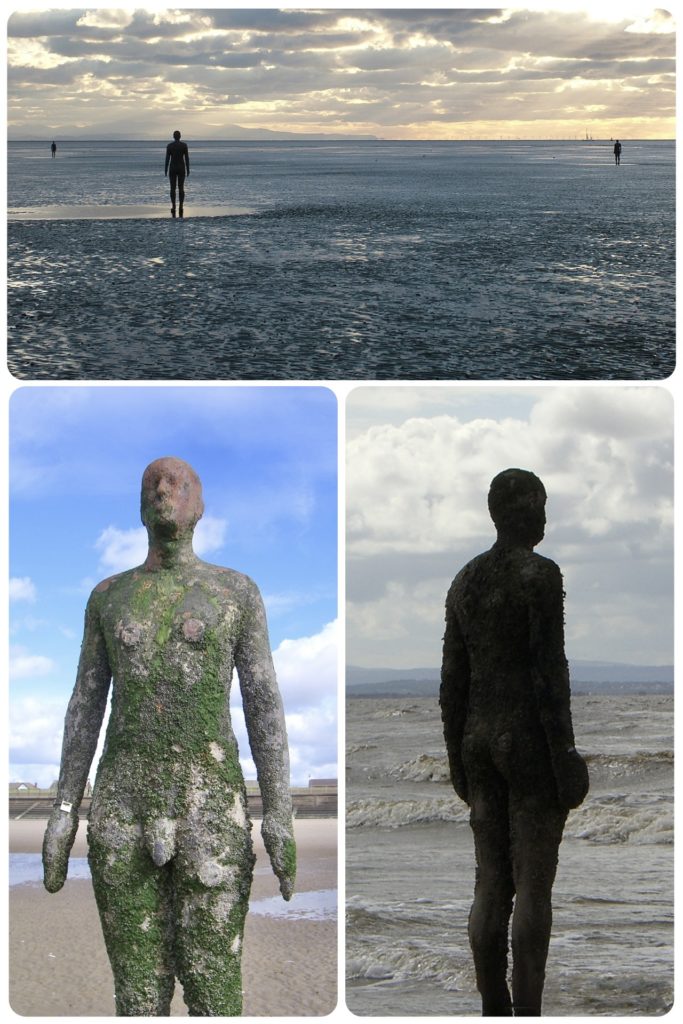
See Horizon Field here
The British sculptor Simon Gudgeon operates his own Sculpture Park in Dorchester as well as public works of art installed in places such as Hyde Park, Kew Gardens and Lympstone Manor, Exmouth. He qualified as a lawyer and only took up sculpting at the age of 40.
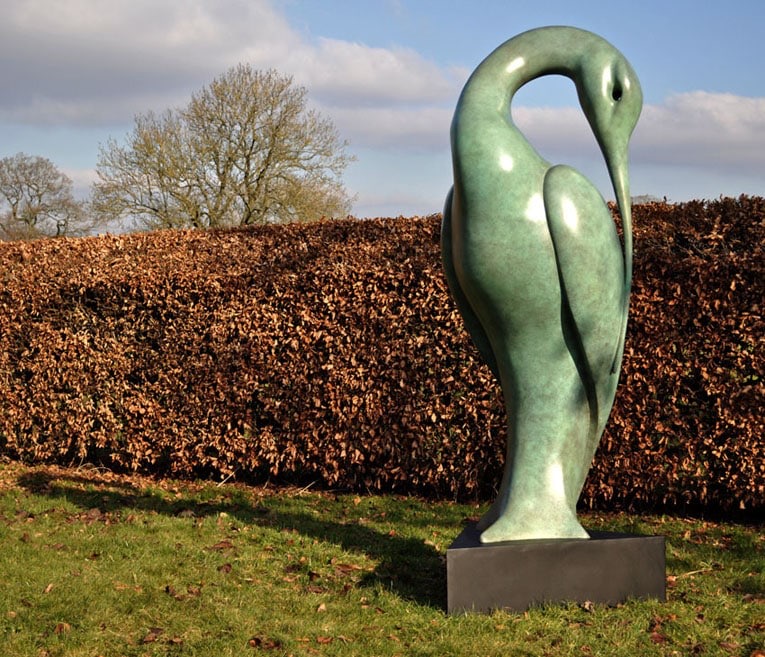
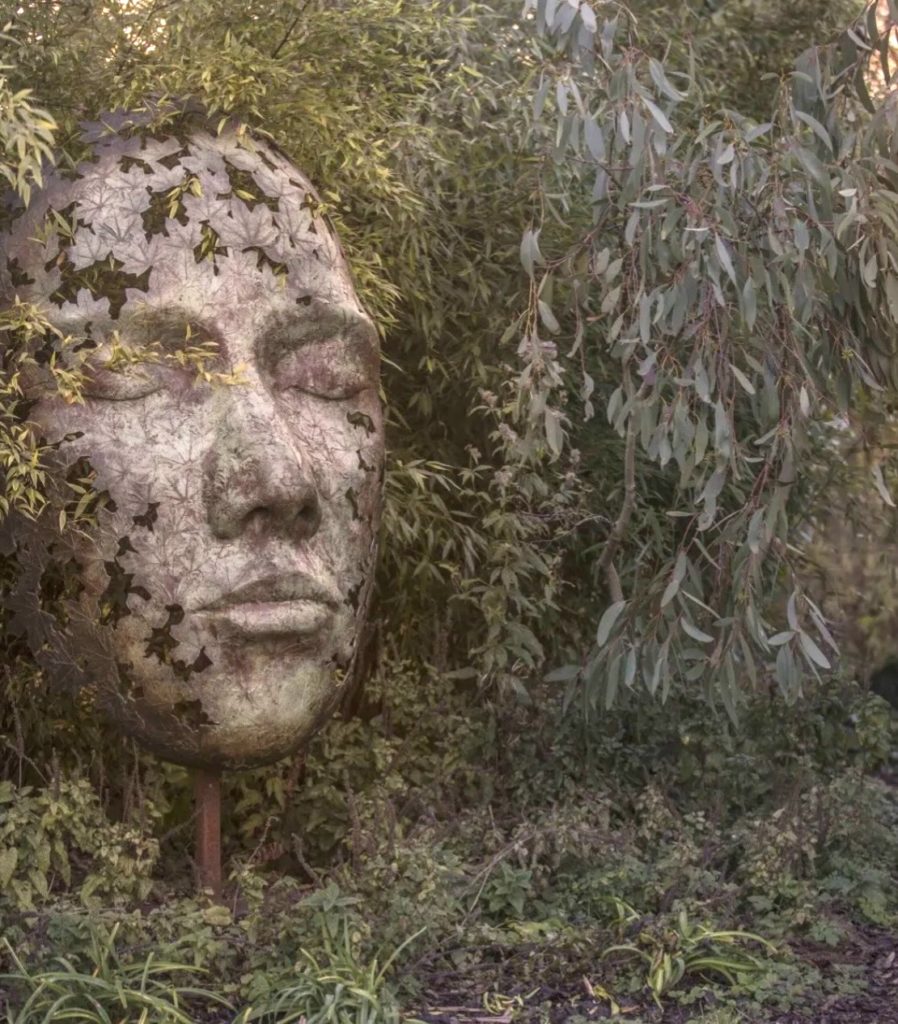
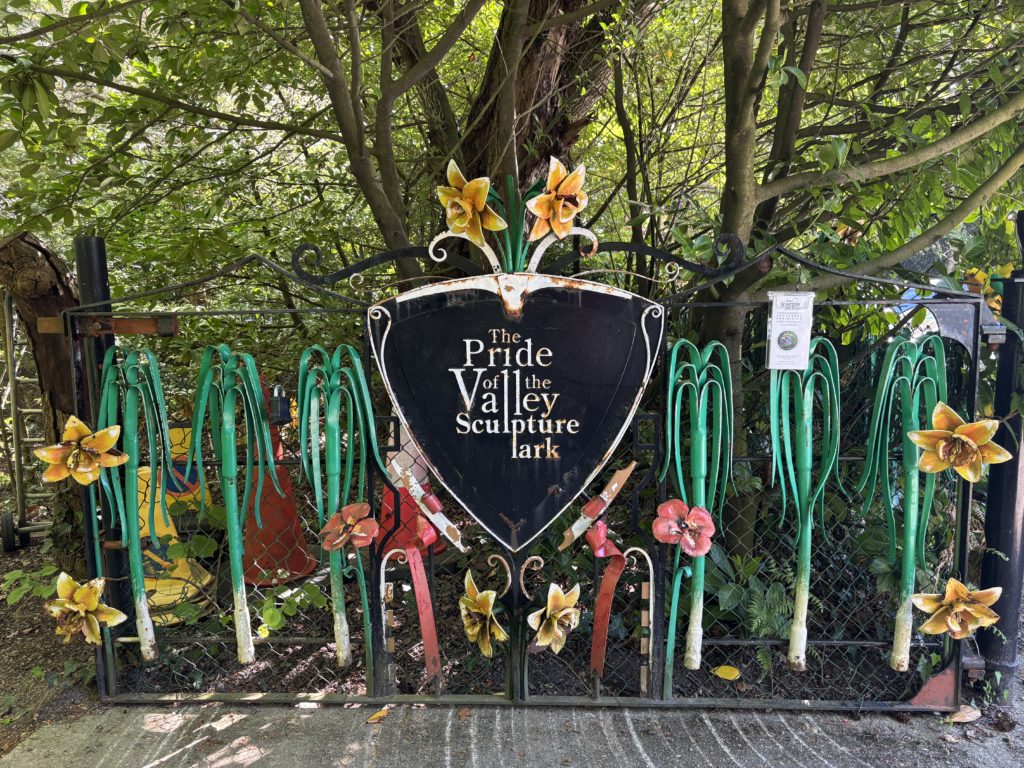
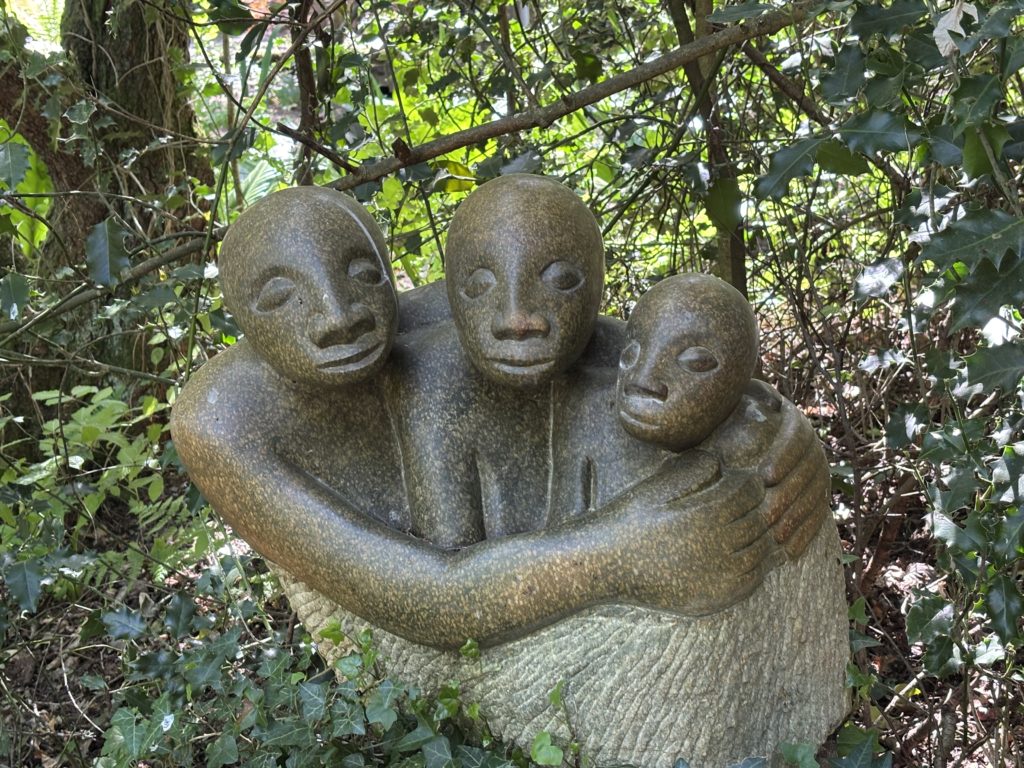
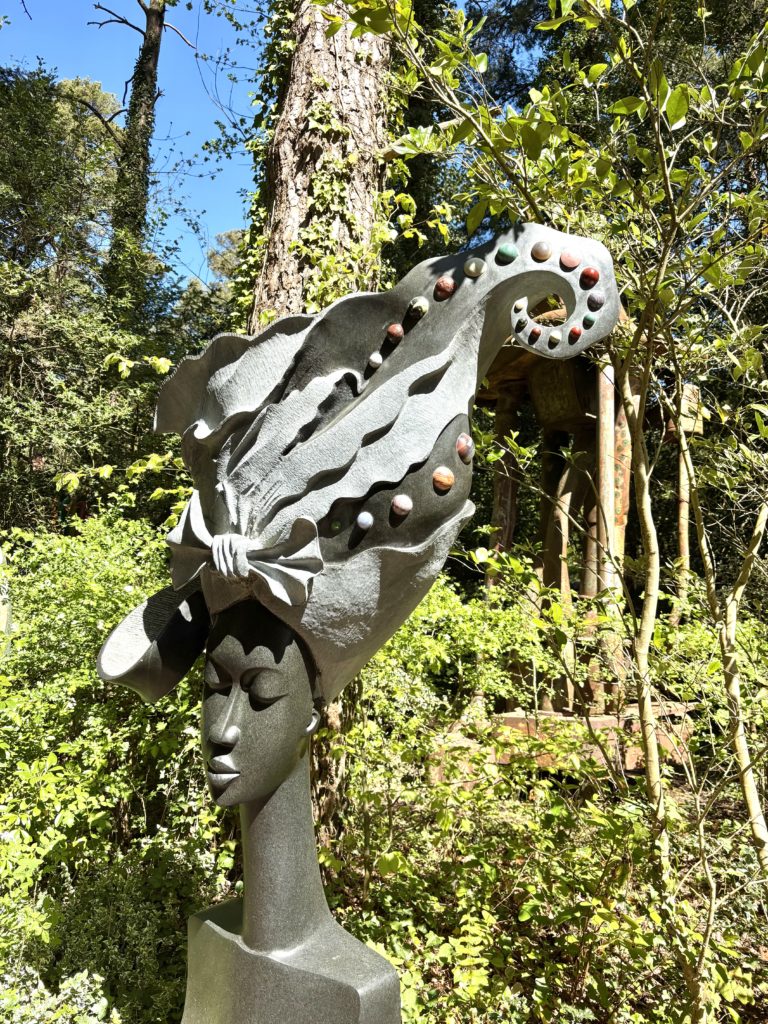
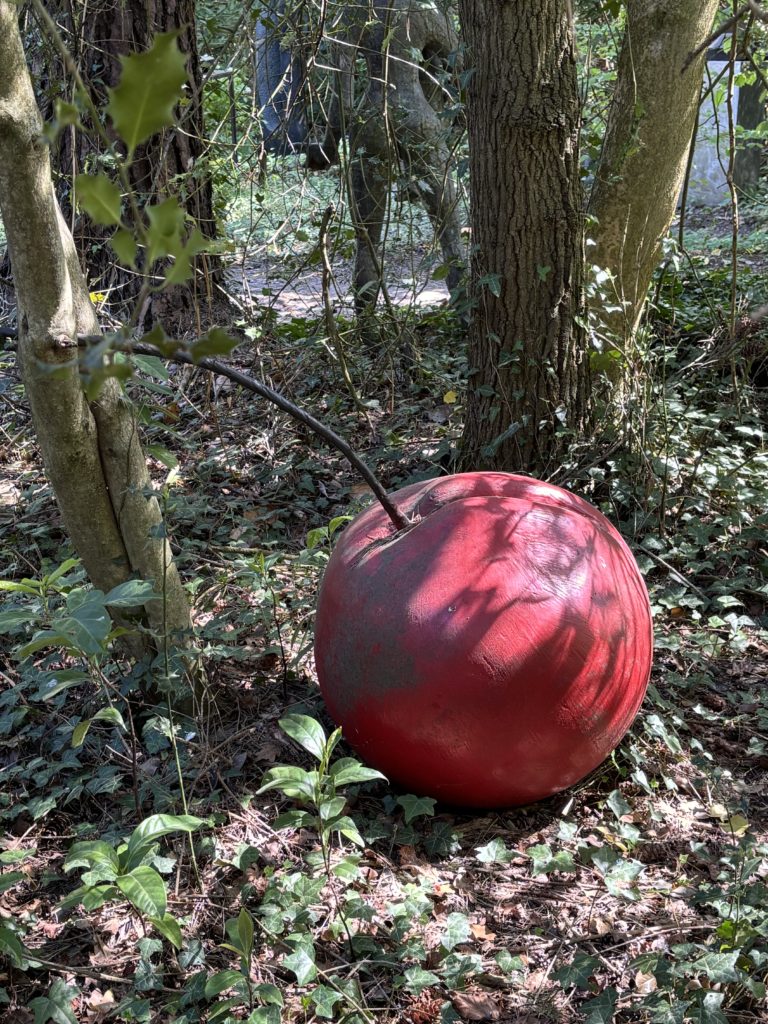
The Pride of the Valley Sculpture Park covers 10 acres of woodland, lakes, streams and walkways which are home to birds and other wildlife. With over 600 ever changing sculptures on exhibition from over 200 well-known and upcoming sculptors, throughout 2 miles of trail, there is always something new to discover and a surprise around every corner. Situated in the heart of Surrey, near the historic town of Farnham the sculpture park is one of the finest and most extensive collections of sculpture and artists in the UK.